Ask a social entrepreneur what their organisation does, and you’ll usually get the pitch. Ask why they started, and the room changes.
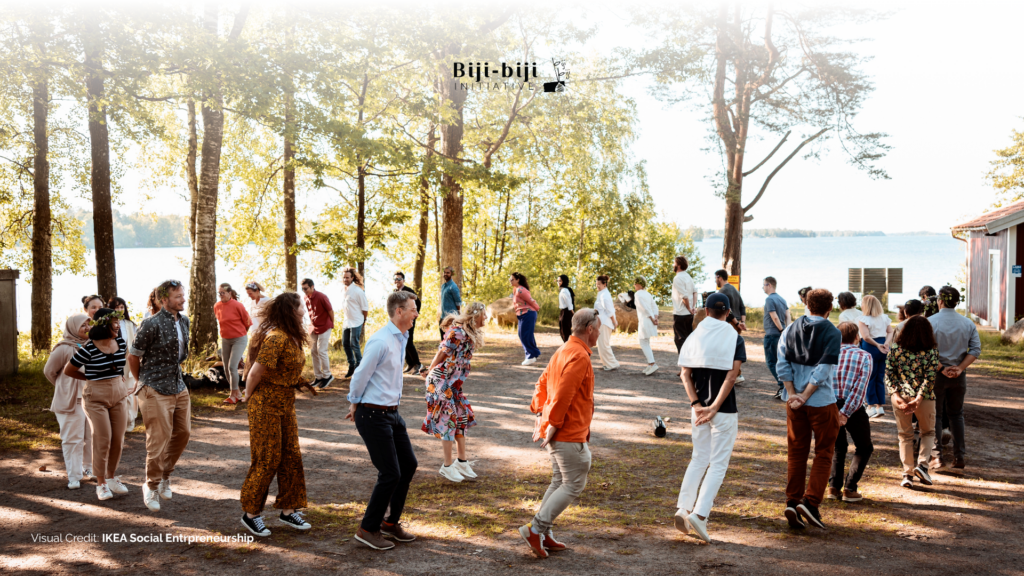
That was the moment the SEAM Cohort 2 Opening Summit shifted from a programme launch into something closer to a gathering of peers. From 10 to 12 September, 18 leaders from nine social enterprises, from Kota Kinabalu to Pantai Kundor, sat across from one another not as organisations, but as people who had each set out to change something, with teams who share that purpose.
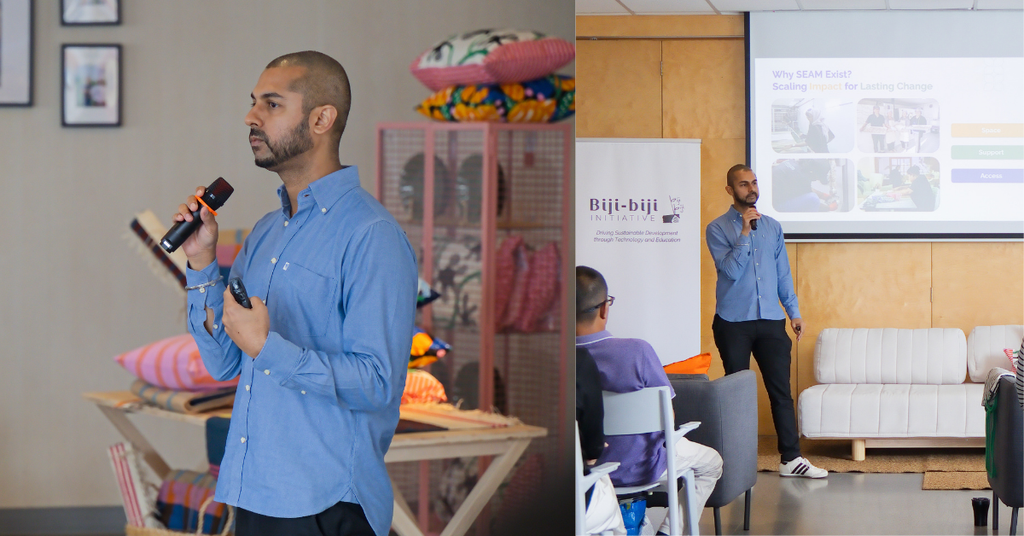
“SEAM is here to allow us to have that space to reflect and grow,” said Rashvin Pal Singh, Group CEO of Biji-biji Initiative and Mereka. For leaders so deep in their daily work, stepping back is rarely easy. Over three days, that meant making room to pause, compare notes and think things through together.
What stood out wasn’t any single session. It was the generosity in the room, with people offering ideas, introductions and honest answers to each other. For a programme built on the belief that social enterprises grow stronger together, it’s an early sign of what this cohort can become: a network of enterprises that keep learning from one another and draw on each other’s strengths.
Stories, Values and Partnership
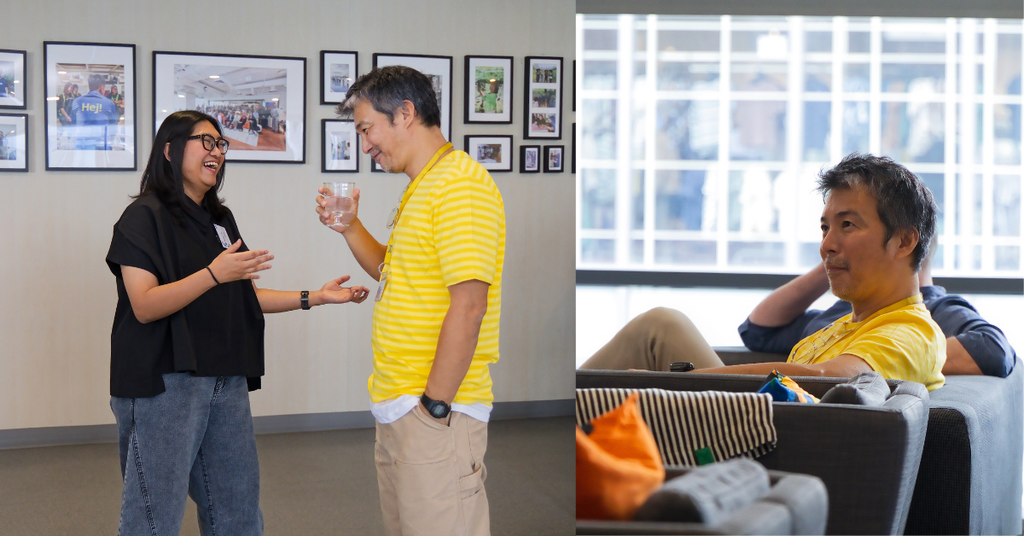
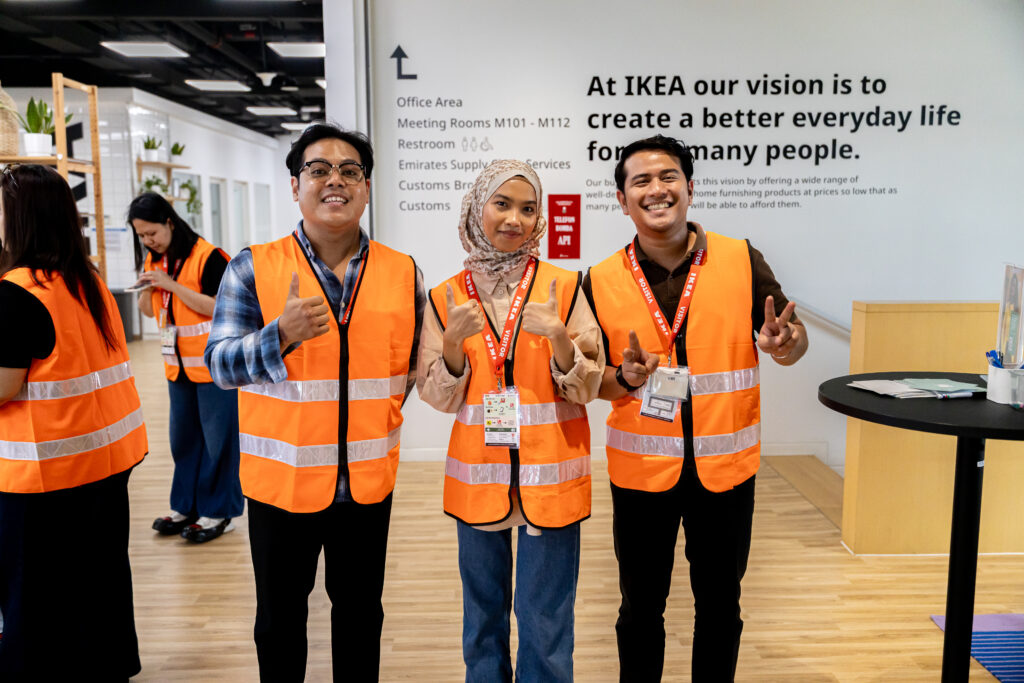
Day 1 took place at IKEA Cheras, where Takeshi Murai, Country Retail Director, IKEA Malaysia, welcomed everyone. He was a Thought Partner in SEAM Cohort 1, and he told the room he learned as much from the enterprises he worked with as they did from him, even if it doesn’t always feel that way at the start. For many in the cohort, this was the first time they met their own Thought Partner in person.
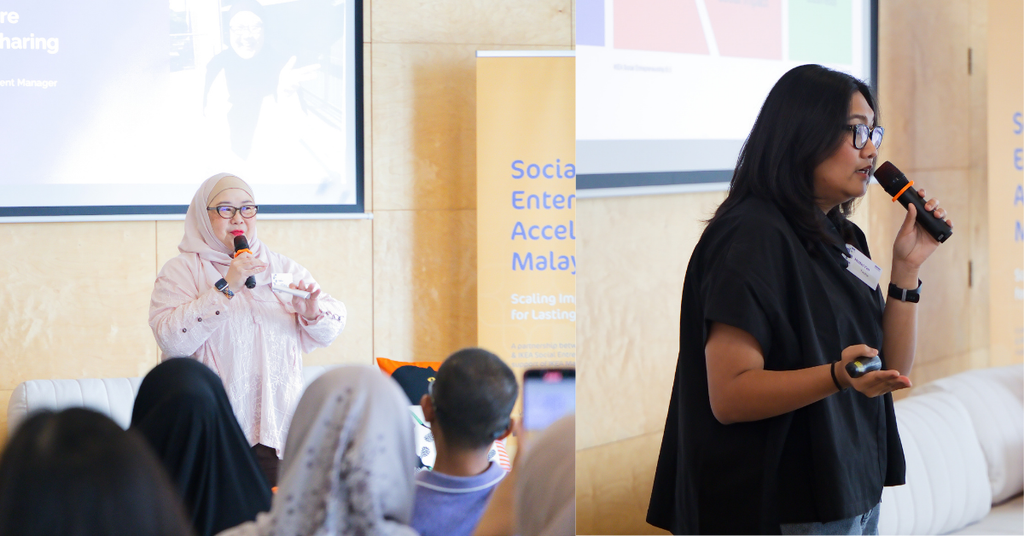
Aileen Malik, Learning & Development Manager, IKEA Damansara, opened with a picture of a city. We notice the towers and the roads, she said, but what keeps it standing is the network of cables underground, out of sight. Culture and values work the same way: it is what’s within, and it is what holds us together. For a room of entrepreneurs who spend their days building the visible parts of an organisation, it landed.
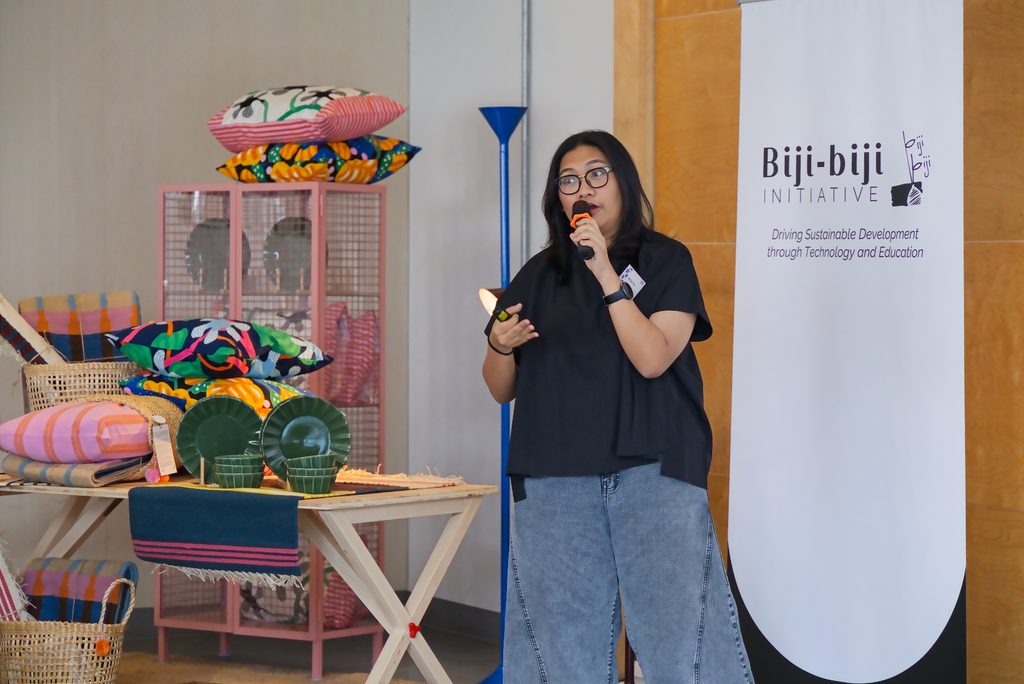
Tasha Sianturi, Co-worker Engagement Specialist, IKEA Social Entrepreneurship (ISE), introduced ISE and the MÄVINN story. ISE co-created SEAM with Biji-biji Initiative, and works with social enterprises around the world to support people from vulnerable and marginalised groups, which is what SEAM does here in Malaysia too. MÄVINN is one example: a collection IKEA develops with artisans in Bangladesh, India, Jordan, Indonesia and Thailand, where each piece carries both the craft and a livelihood. SEAM is one of several accelerators ISE supports, alongside similar programmes in other countries, and Tasha shared how IKEA co-workers get involved, as mentors, coaches and advisers.
Inside IKEA: Same Problems, Different Scale
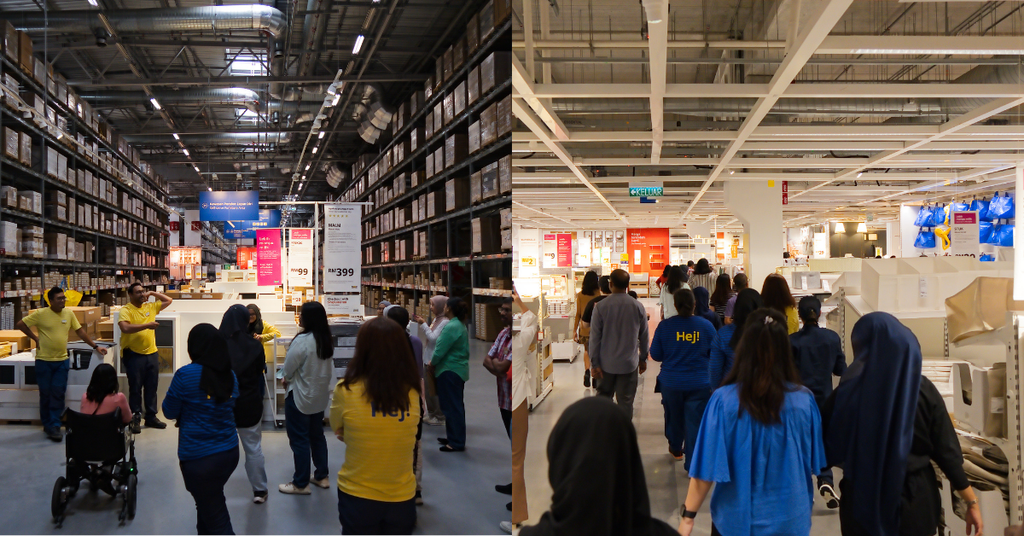
The cohort got to see how IKEA runs day to day. Moving through the learning stations at the store, run by IKEA co-workers, they came with questions. In the showrooms, the self-serve section and the MÄVINN collection, co-workers explained how colour codes were chosen, how the space is laid out for someone walking through it, and why things sit where they do. Even the way sustainability is given its own section was a deliberate choice.
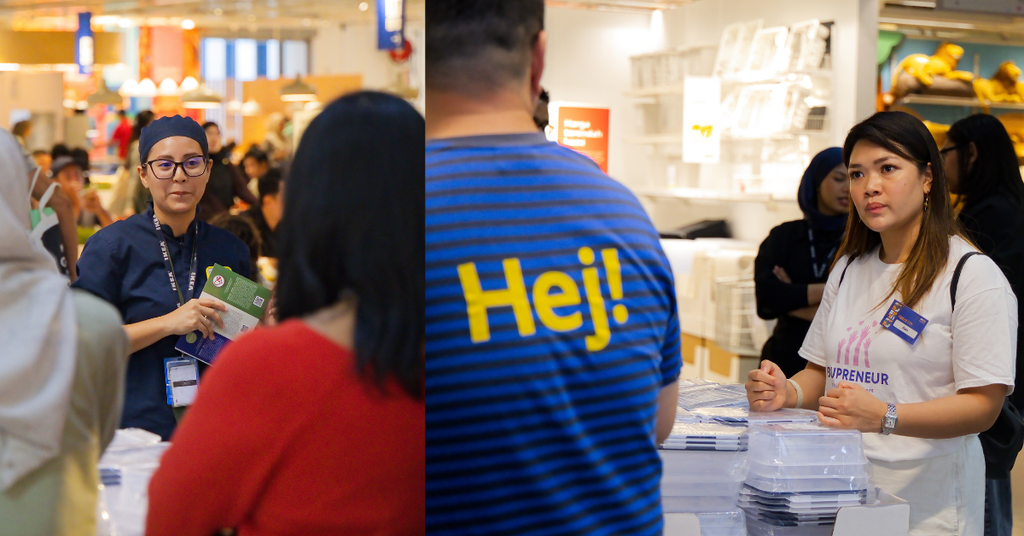
The questions got closer to home at the F&B area, where the social enterprises learned how food waste is managed. A specialist studies purchasing patterns so orders are set in advance and adjusted for peak periods like festivities and weekends, and the co-workers shared that this has helped reduce waste. What’s left over, including bones, goes to a partner for composting.
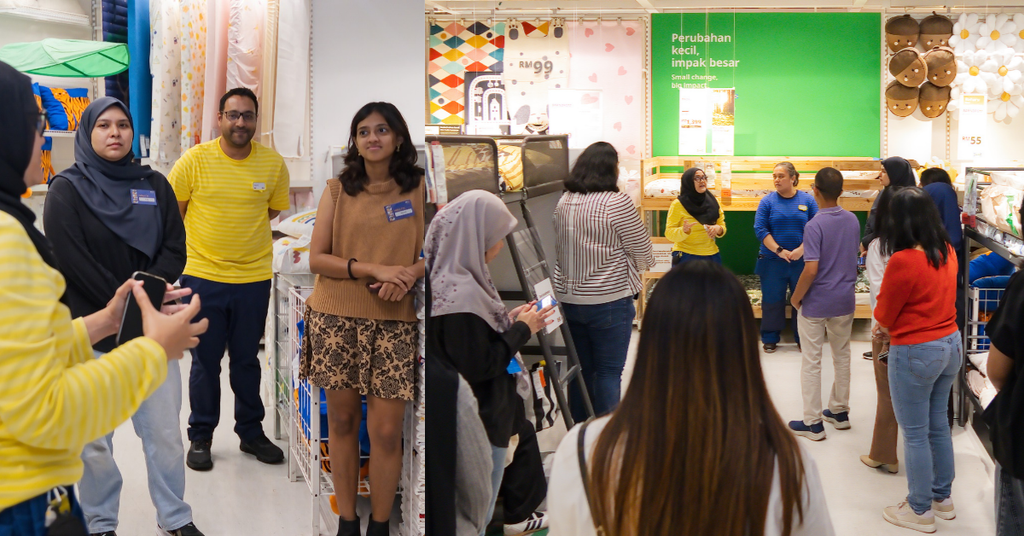
For enterprises already working with waste, from reclaimed pallet wood to upcycled materials to surplus ingredients, it was a chance to ask how the same problem looks at a much larger scale.
What Matters Most to You?
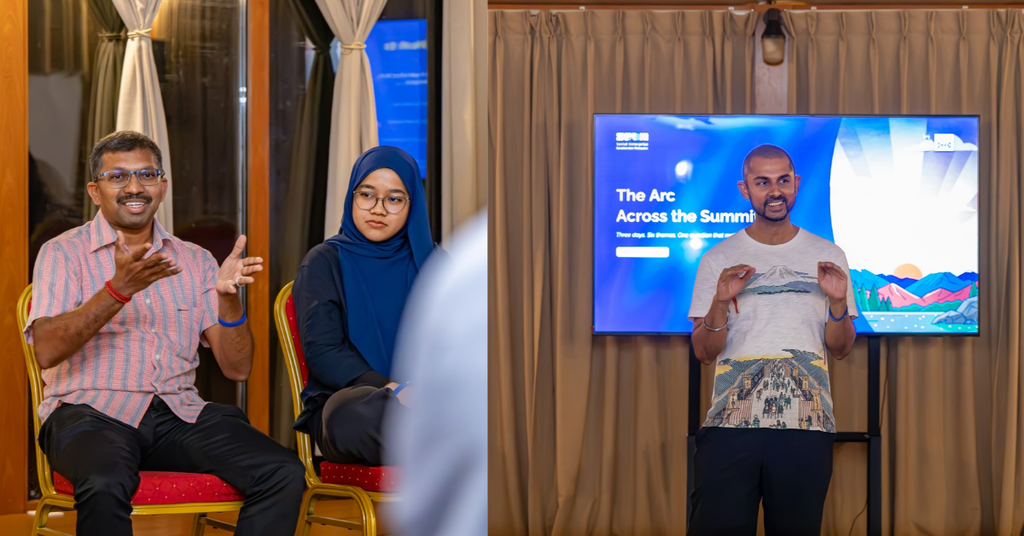
At Beacon Resort in Kerling, the days ahead began with a session led by Rashvin Pal Singh from the SEAM team at Biji-biji Initiative. He started wide: how are the world and Malaysia doing compared with when each of us was 15? Better in some ways, the room said, and nowhere near enough in others.
Then he made it personal. If you could give the next ten years to one major issue, what would it be, and why? Not your enterprise. You.
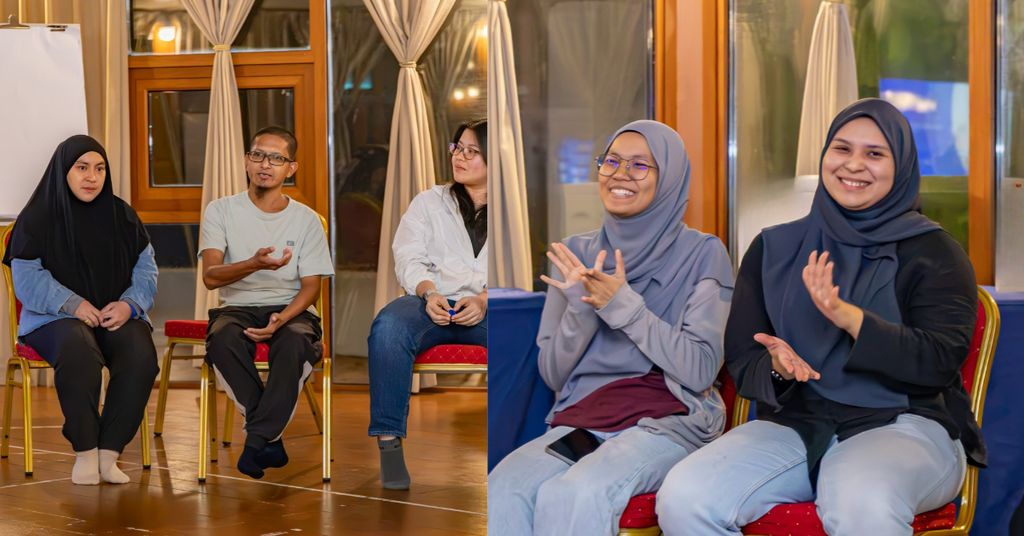
We went around the room and everyone shared. Waste. Child abuse. How unequal wealth can feel. How short time is. Even the traffic in Malaysia made the list.
Listening, you stop seeing nine enterprises and start seeing 18 people, each carrying something they care deeply about.
What it takes to lead for the long haul
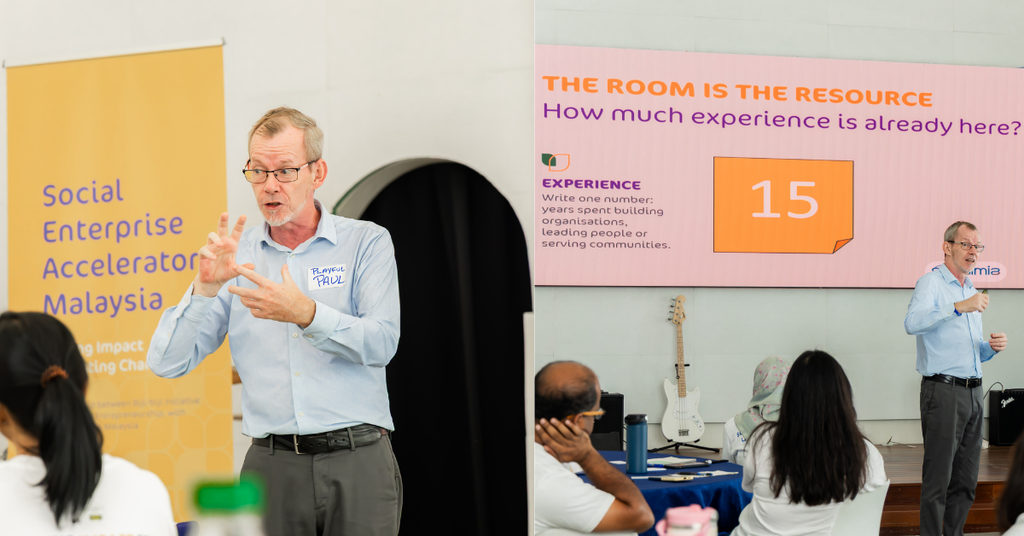
After looking out at the world, we turned inward. With Paul Blake from Simia, the cohort spent the day on something that’s easy to put off: themselves as leaders. The question sounds simple: how do you keep leading well when more and more people rely on you?
The questions that came up were ones anyone who has built something will recognise.
How do I stop being the person who holds everything together? How do I delegate without losing control of quality? Hearing others ask them out loud was a relief.
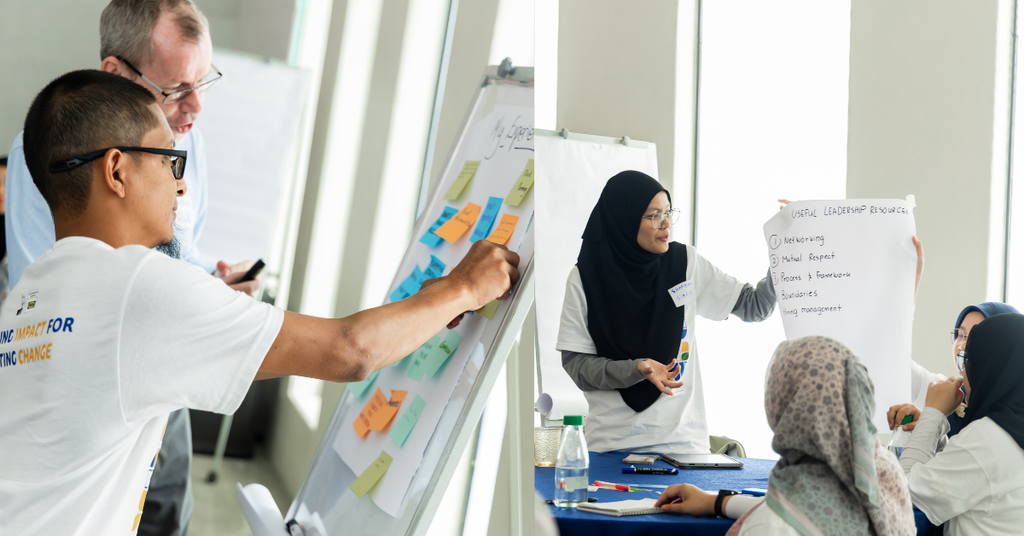
Simia’s follow-up found that all 12 who responded left with greater clarity on the pressures affecting their leadership and a practical action to take. Their central observation was about conditions, not willpower. These leaders aren’t short on commitment or awareness. What gets in the way is building enough role clarity and organisational capacity for good intentions to survive day-to-day pressure.
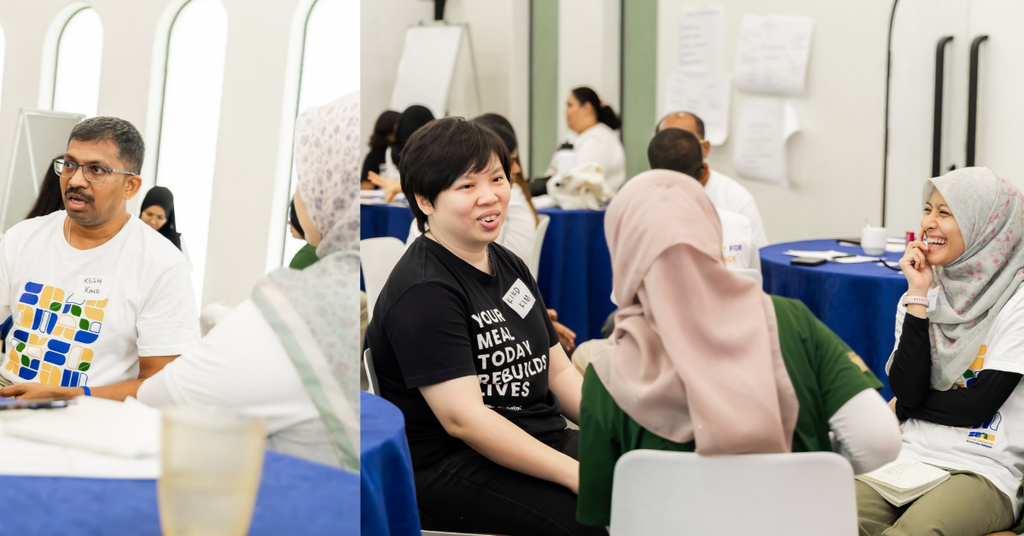
Leaders also worked in small trios, bringing a live challenge from their own organisation to two peers and testing responses together. It was one of the best-received parts of the Summit.
Scale isn’t the same as growing
On the final day, the cohort explored and discussed ways to approach growth. Some of the organisations that created the most impact were never the biggest. They understood which pathway their business and impact needed, and committed to it.
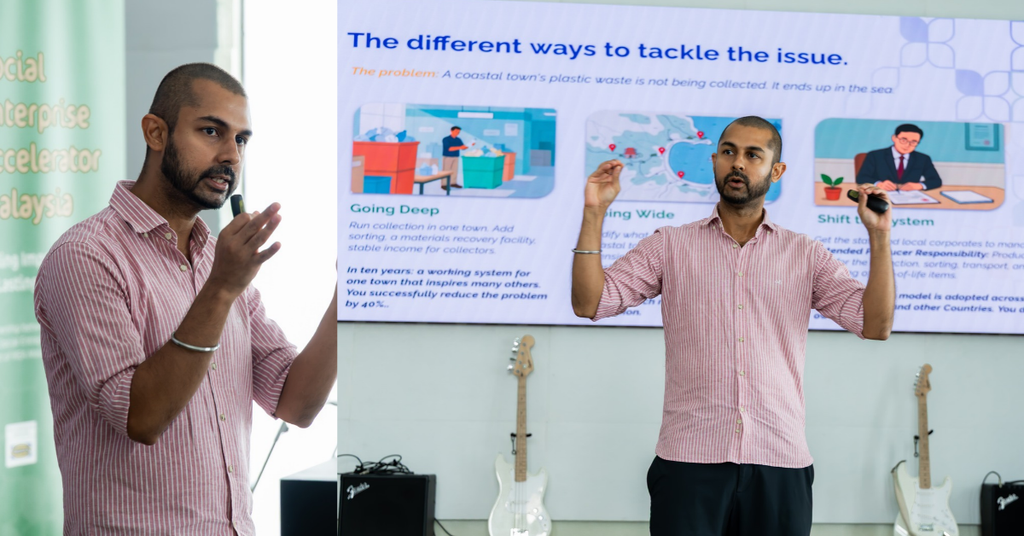
Rashvin returned to the question of scale with an example: a coastal town whose plastic waste never gets collected and ends up in the sea. You could go deep, staying with that one town until the system works. You could go wide, taking what worked to other towns, running some yourself and licensing others. Or you could try to shift the system, so the companies that make the plastic are the ones who pay for collecting it, even if you never own the model.
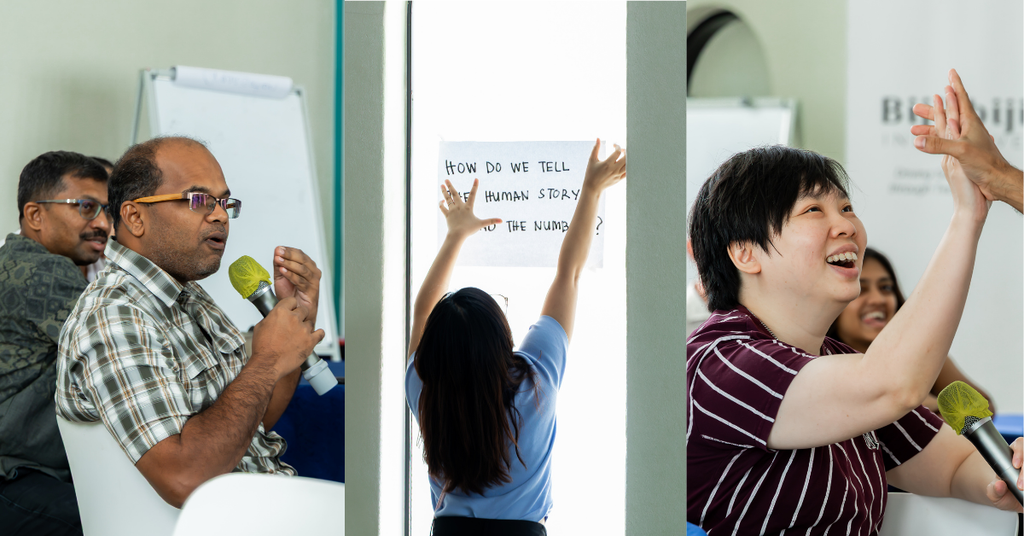
None of them is the right answer. The question is which one fits what their community needs. Everyone left with three to think about: which approach is my enterprise using now? If we had to scale, what would break first? And what would have to change around us for this to work at scale?
What comes next
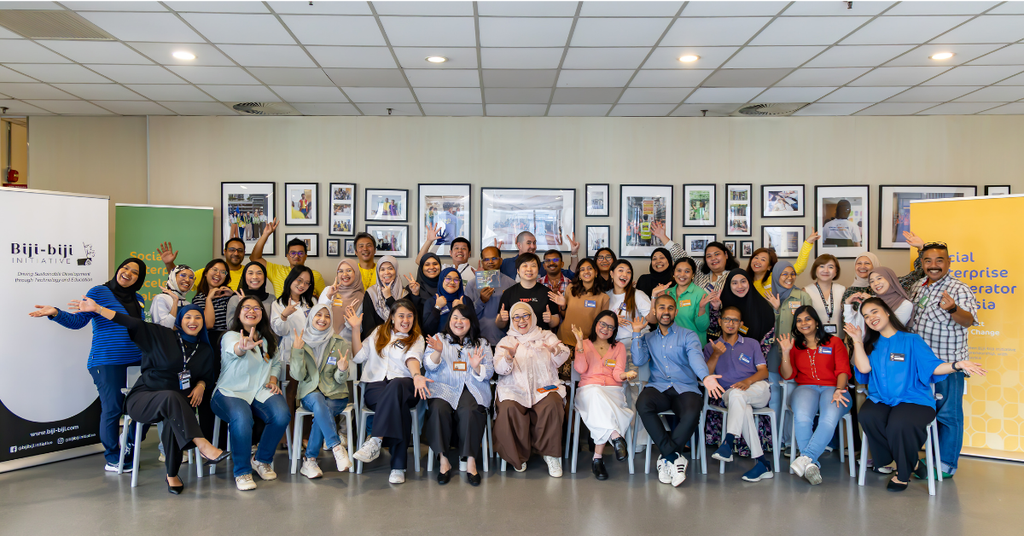
Nine social enterprises, nine very different challenges, and one thing most of them found out together: they are not the only ones working through these questions.
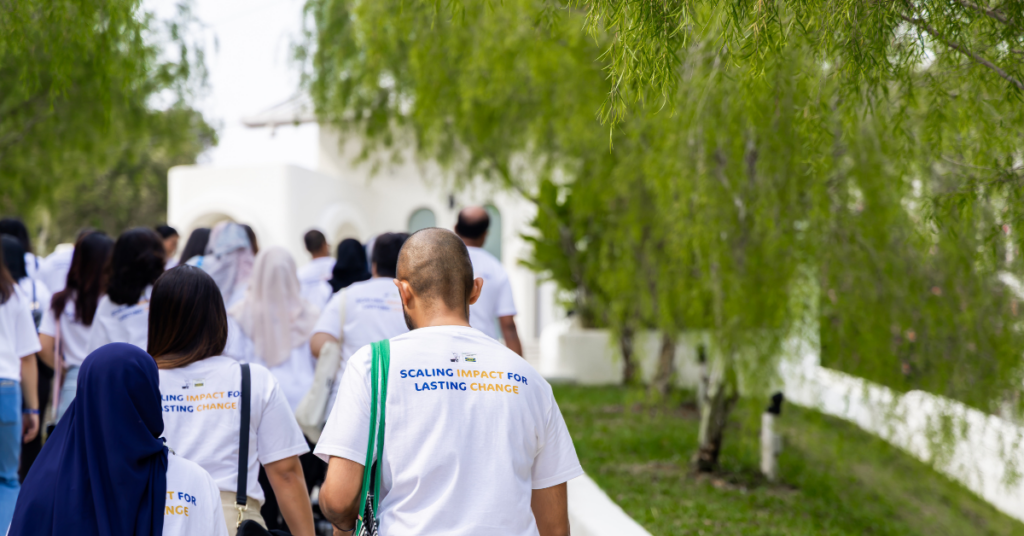
Over the coming weeks, the cohort will develop their Growth Experimentation Plans alongside their Thought Partners, and the SEAM team will be visiting each enterprise on site. Aileen’s cables are a fair way to think about the work ahead: strengthening what holds each enterprise together, mostly out of sight. Scaling Impact for Lasting Change is what SEAM is here for.
Follow along on Biji-biji Initiative’s channels, find out more about IKEA Social Entrepreneurship at ikeasocialentrepreneurship.org, and get to know the nine enterprises here.