Every 16 September, Malaysia marks the day this country chose to become something larger than its separate parts. Many communities, cultures and coastlines, deciding they could build more together than apart.
It feels like the right day to introduce a group of people carrying that same spirit forward, in their own quiet way.
All over Malaysia, there are people building businesses that refuse to choose between making a living and doing some good. They are creating jobs, looking after the land and the sea, and making room for people the economy usually overlooks. Their work rarely makes the headlines. It shows up instead in a first proper wage, a fairer price at the market, a workplace that finally has a place for you.
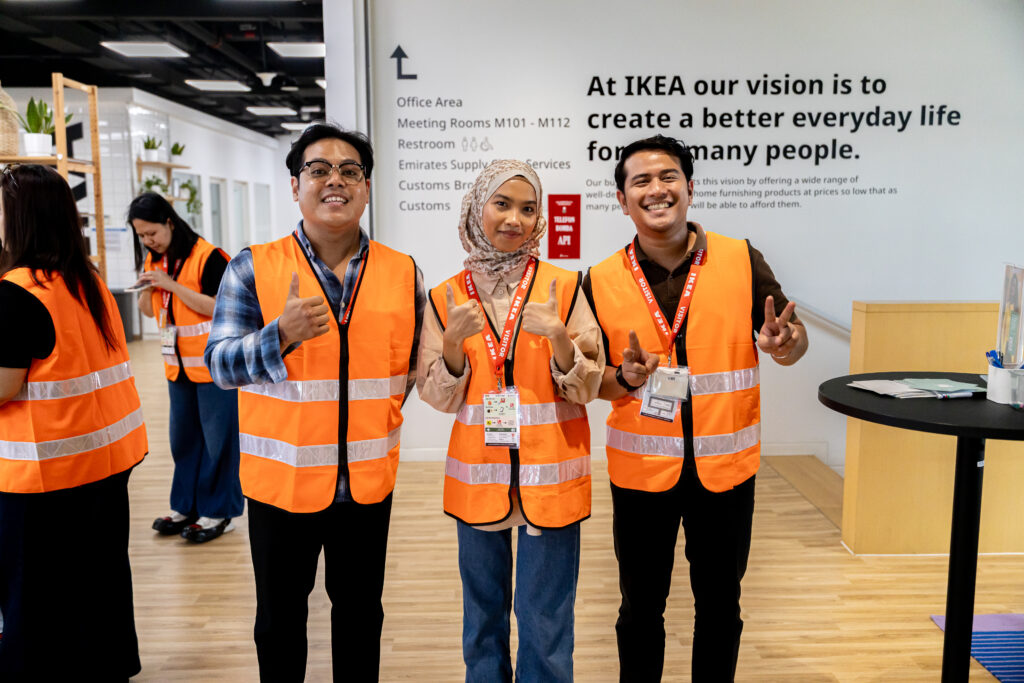
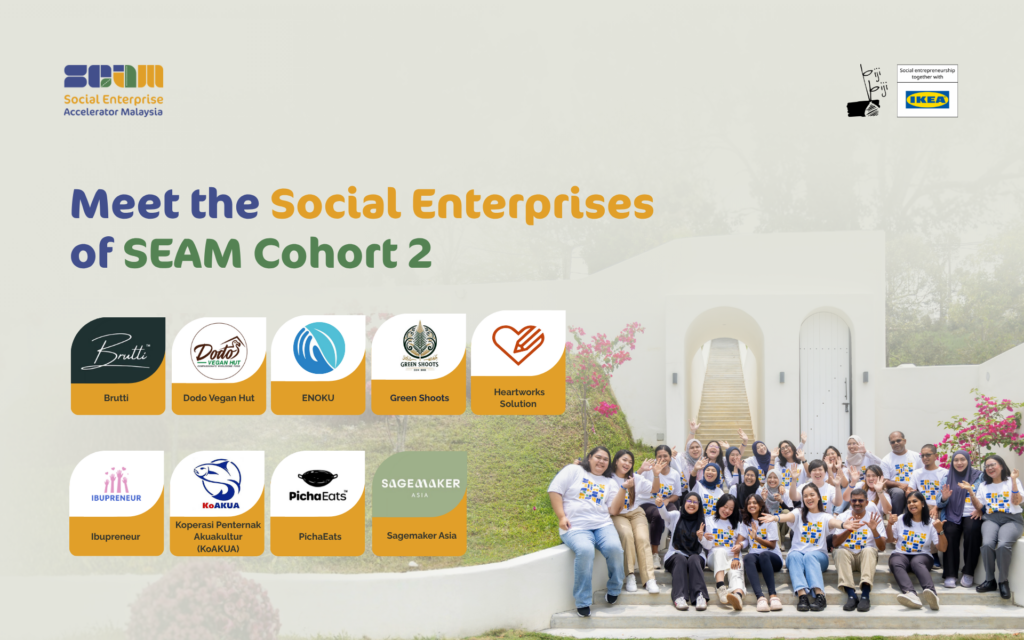
Today, we would like to introduce nine of them. Together they make up Cohort 2 of the Social Enterprise Accelerator Malaysia (SEAM), a partnership between Biji-biji Initiative and IKEA Social Entrepreneurship, with the support of IKEA Malaysia. At its heart, SEAM is driven by a shared ambition to create a more inclusive and sustainable society. By empowering marginalised communities and supporting social enterprises to address pressing social and environmental challenges, SEAM aims to foster inclusive growth and drive meaningful change across Malaysia.
Get to know the changemakers turning their ideas into impact.
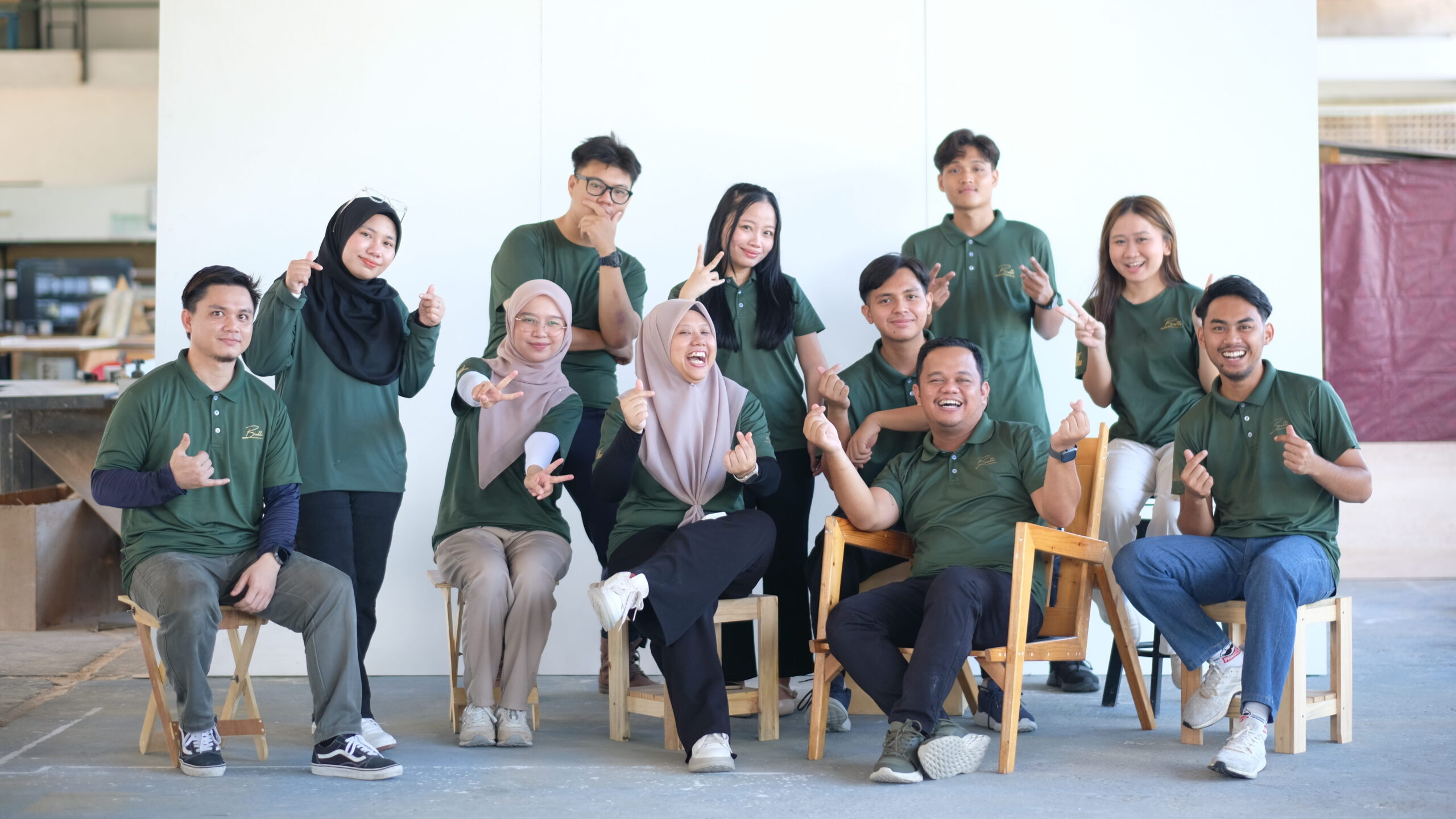
In Kota Kinabalu, a team of young Sabahans is building furniture out of wood most people would throw away. That is Brutti. They take reclaimed pallet wood and turn it into bespoke pieces for homes and businesses, training B40 youth into skilled artisans as they go. So far the work has kept more than 57 tonnes of waste out of landfill and spared an estimated 600 trees.
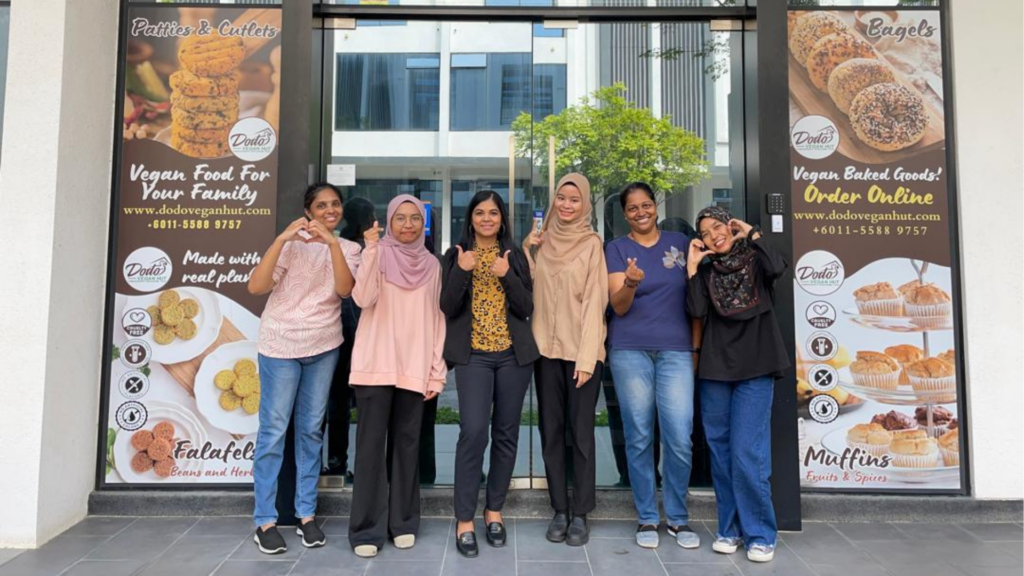
Good food, with a bit of good done along the way, is the whole idea behind Dodo Vegan Hut. The halal-certified, plant-based enterprise makes everything from frozen meals to its own SAKRAE coconut ice-cream, now found in hotels, restaurants and cafés across the country. Every order helps sustain steady work for people from B40 communities.
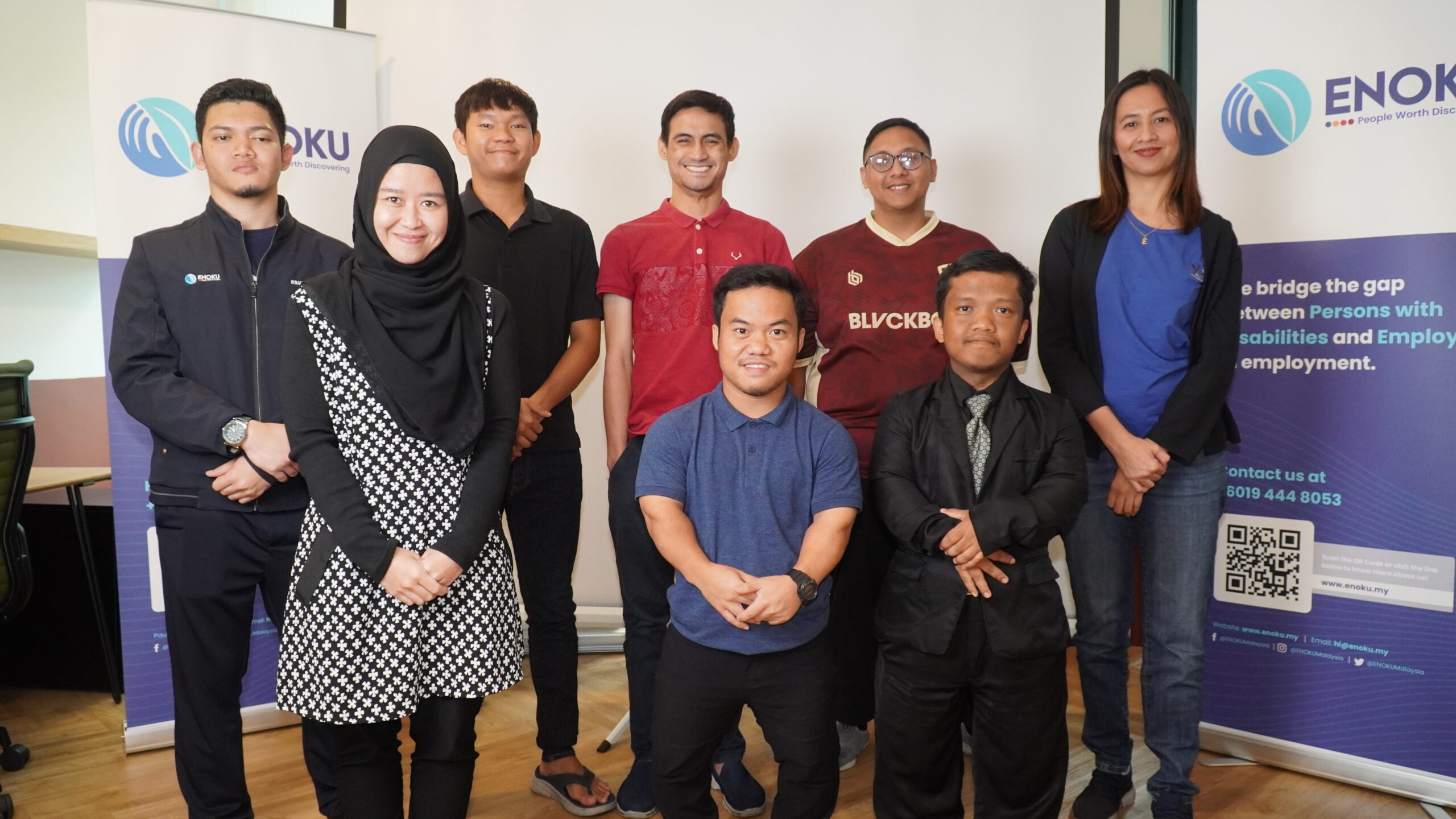
Enable OKU Solutions (ENOKU) takes on a simple but stubborn problem: too many capable Malaysians with disabilities never get a fair shot at a job. It helps some of the country’s biggest multinationals change that, through disability-inclusion training, tailored job placements, and the kind of long-term support that makes inclusion stick rather than fade once the launch photos are taken.
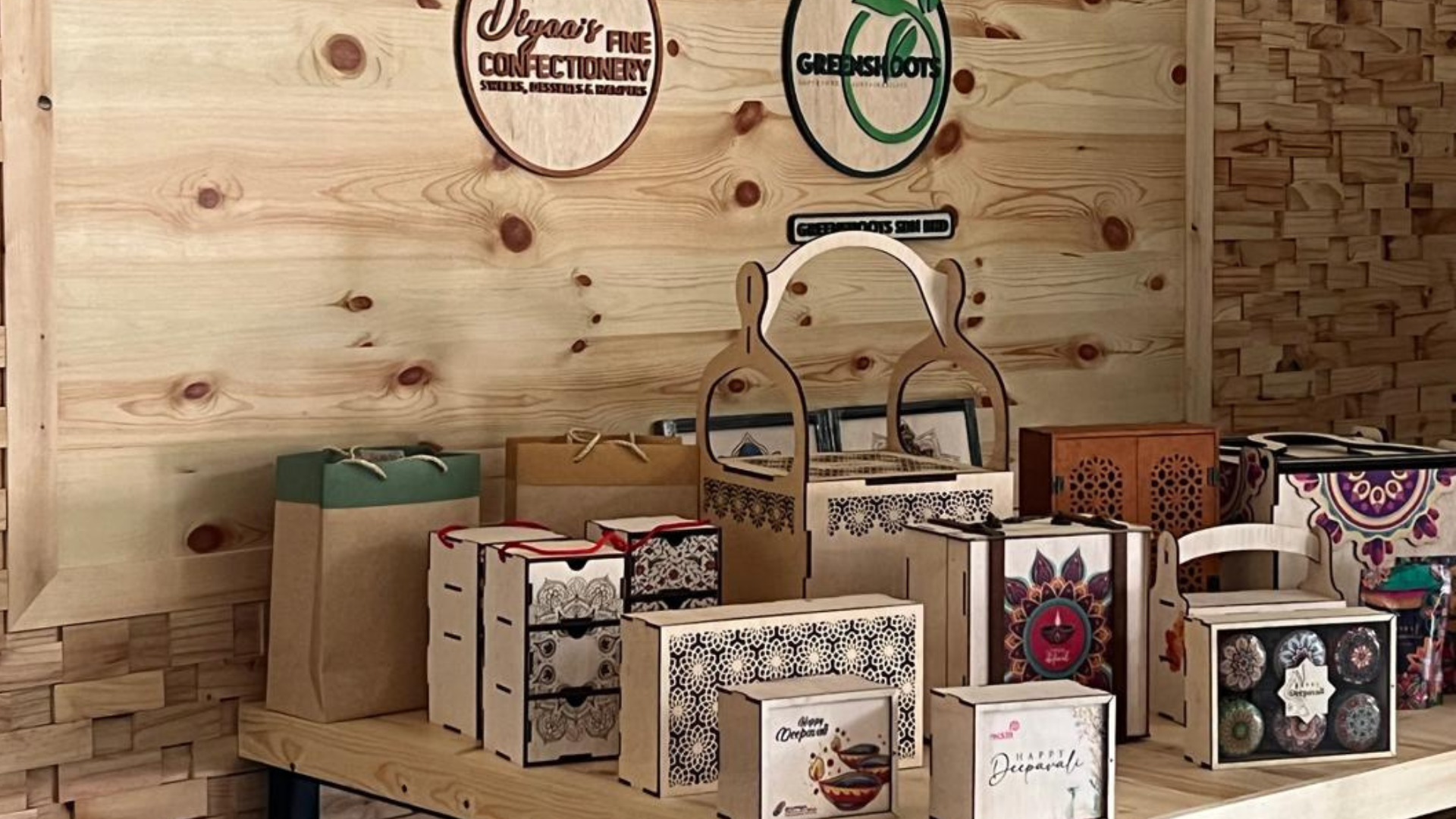
Green Shoots looks at the gifts and packaging companies buy by the truckload and sees a chance to do better. It redesigns them around circular, responsible production, so that the women who make them earn a real income, and the profits flow back into therapy and wellbeing support. Less waste on one end, more care on the other.
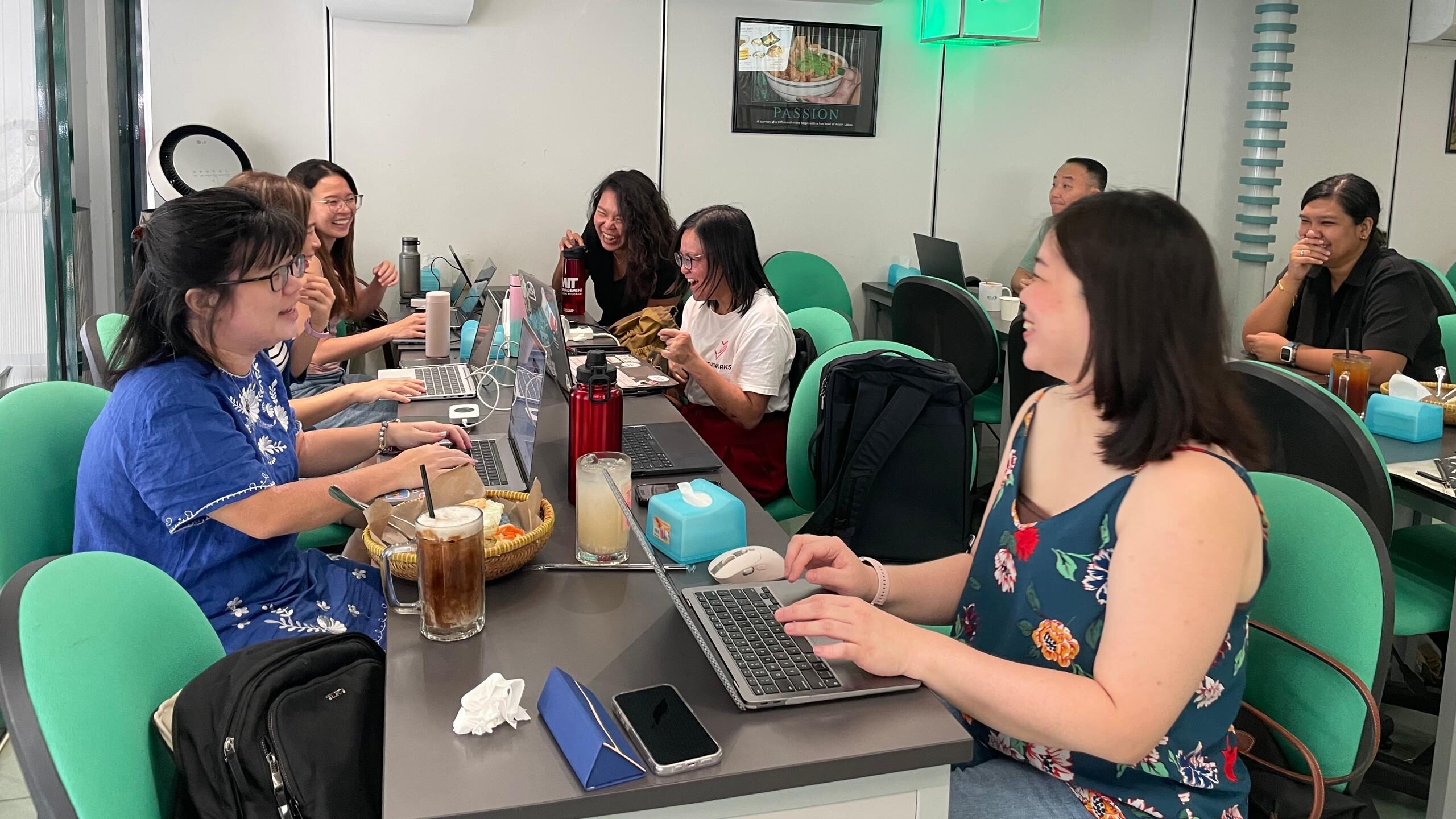
For a lot of people, a regular nine-to-five was never built with them in mind. Heartworks Solution builds the work around them instead. Through a virtual assistant model, it offers flexible, paid roles to persons with disabilities, single mothers, caregivers and women who have been shut out of ordinary employment, and pairs every role with training and genuine support. Its thirty virtual assistants now work with clients like Naluri, SEEK Asia and Malaysia Food & Travel, rebuilding confidence and a measure of financial independence along the way.
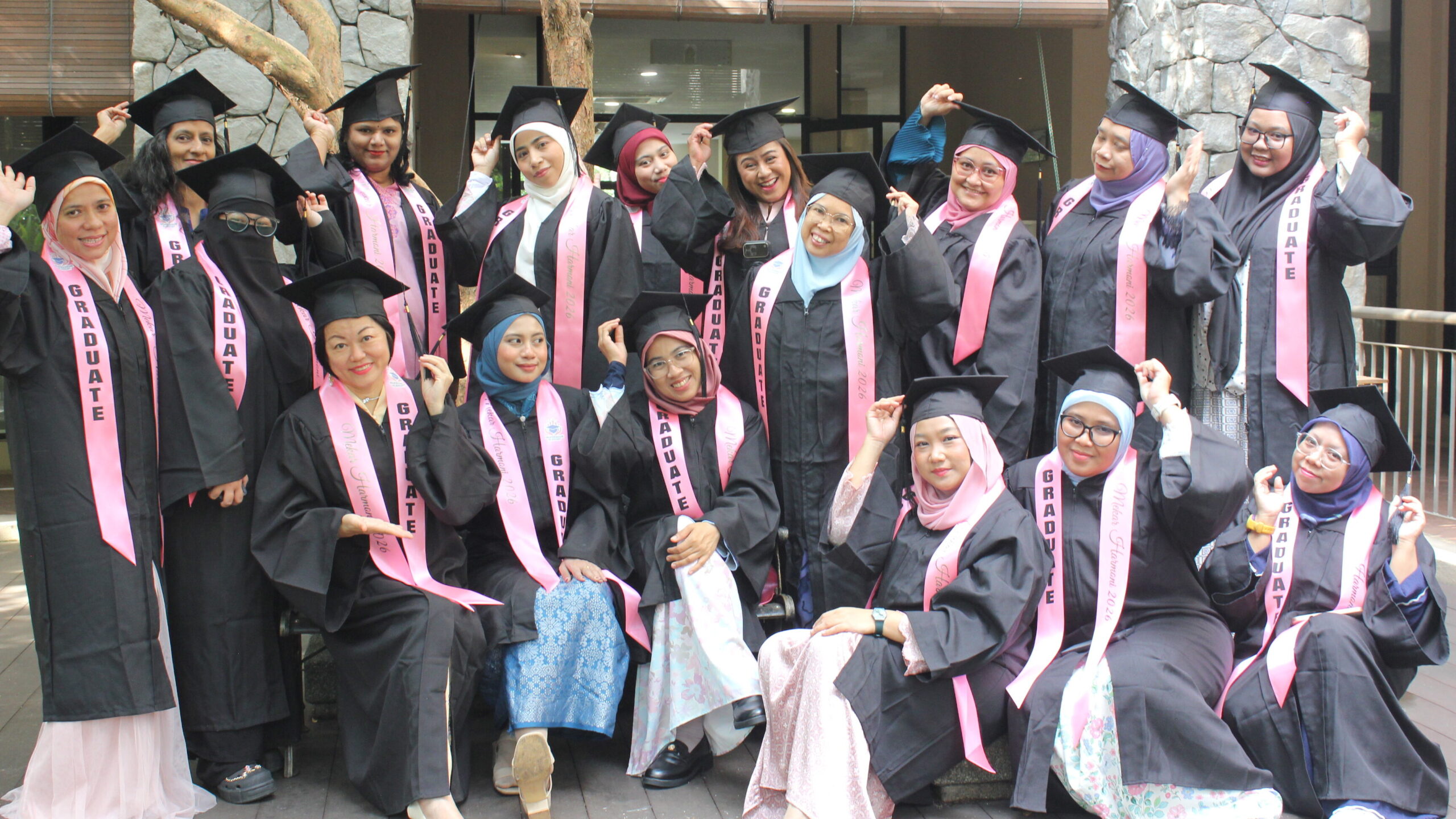
Ibupreneur is built around a belief that mothers going through hard times are not looking for charity, but for a way through. Its Maker Hub marketplace and Academy have helped 659 Asnaf women and single mothers across 11 states lift their incomes by an average of 86% in a single year, supplying clients that include Mandarin Oriental and Banyan Tree. Give women the right tools and a real door into the market, and this is what happens.
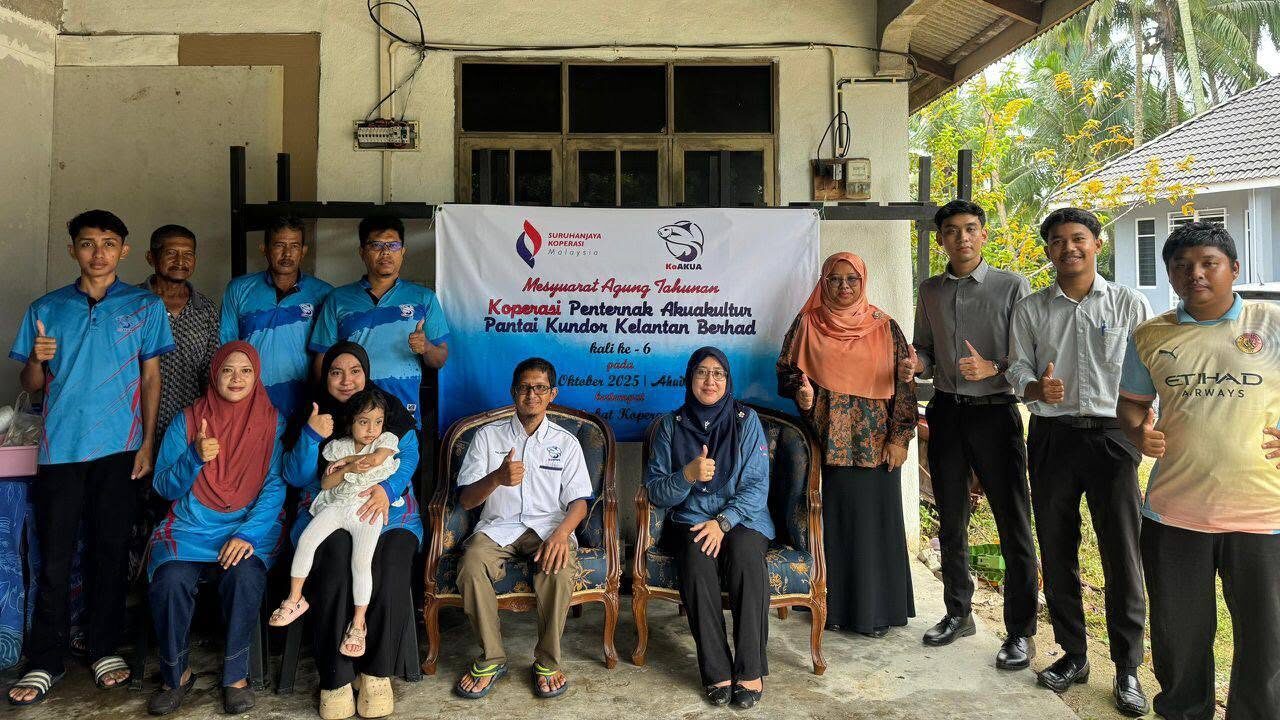
On the Kelantan coast, fishing has always been a hard way to make a stable living. Koperasi Penternak Akuakultur (KoAKUA) is working to change the maths. The cooperative brings its 50 members together to pool resources and run their own distribution, so more of the money stays with the families who did the work, instead of the go-betweens who usually take a cut. They are learning to make salted and smoked duck, too, for income that does not vanish when the fishing season ends.
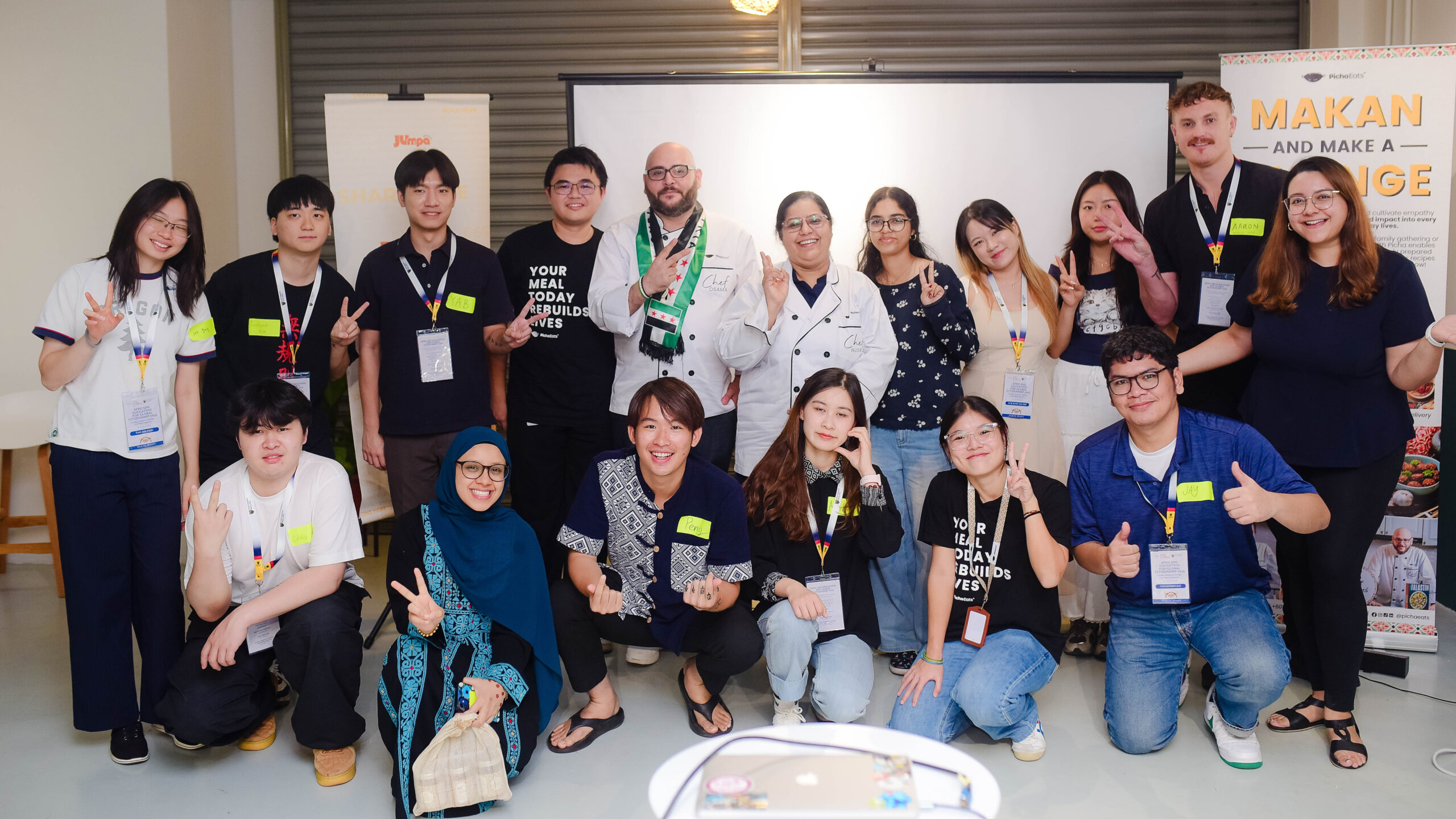
PichaEats has spent more than ten years making the case that a refugee is also a chef, a caterer, an apprentice, a colleague. It creates livelihoods for Syrian, Afghan, Myanmar and Palestinian community members through catering, meal boxes, cultural dining experiences and hands-on training. Each meal comes with a story, and a gentle argument for a Malaysia with a little more room in it.
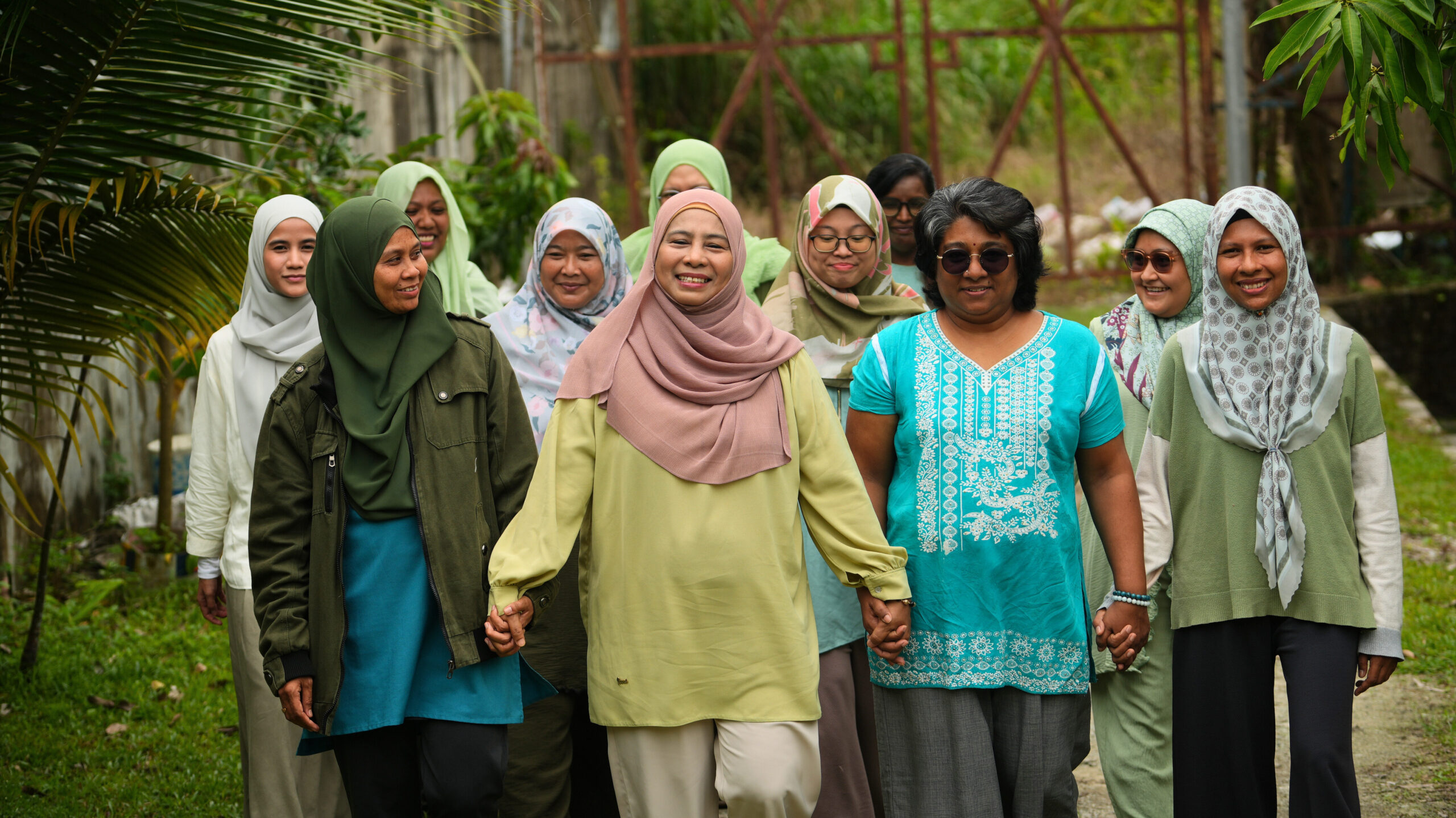
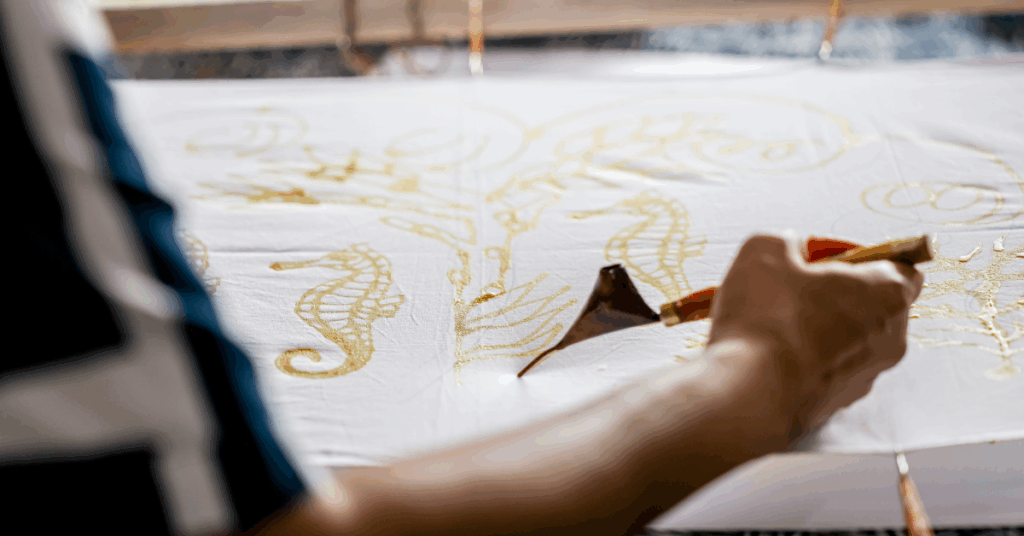
At a production house called Rumah Sage in Ampang, more than 70 people known as Sagemakers spend their days making things: sensory materials, upcycled products, bespoke merchandise for the likes of PETRONAS and Pos Malaysia. Sagemaker Asia brings marginalised artisans into that work and pays them properly for their skill. Craft, here, is also a livelihood.
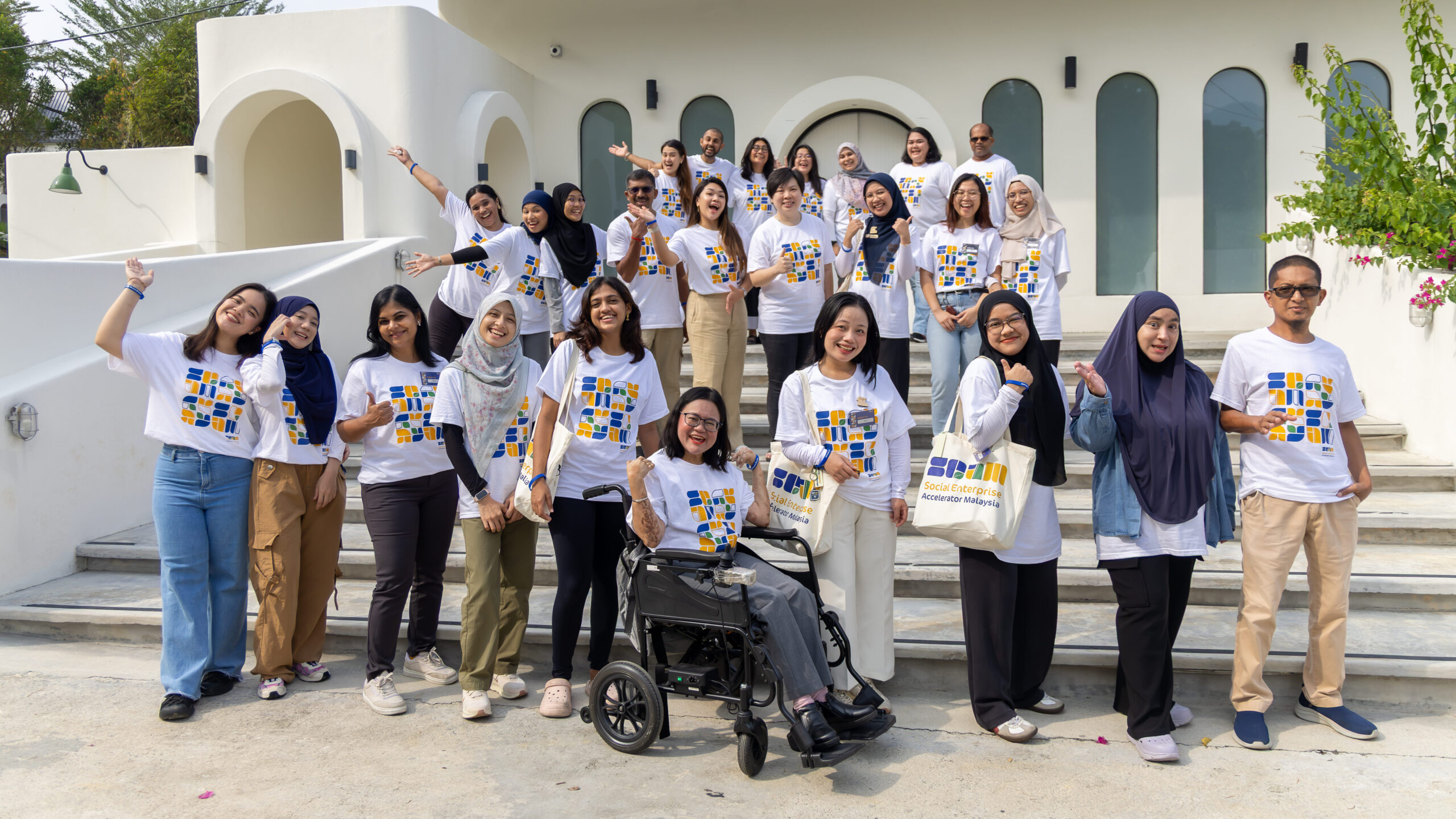
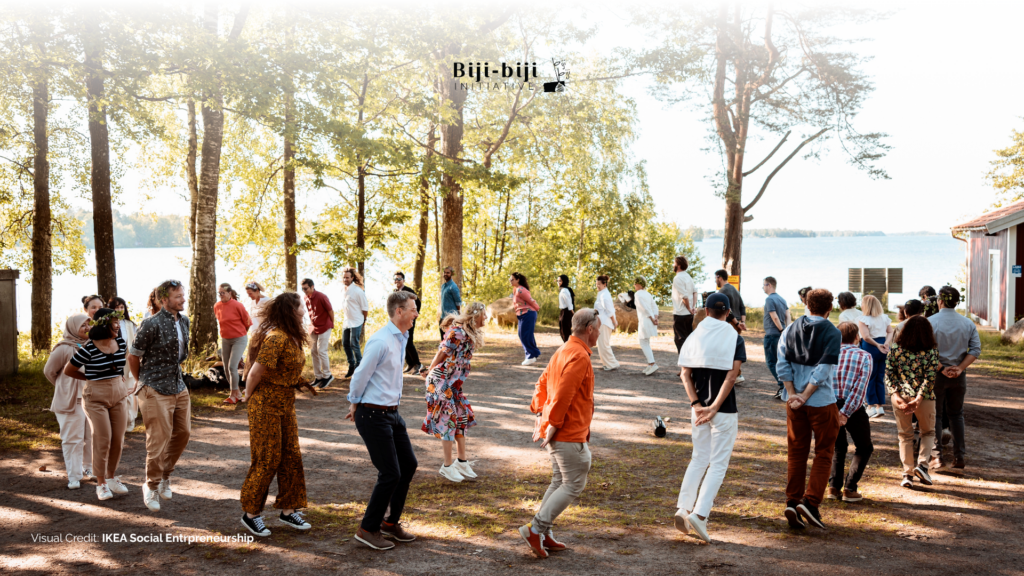
Over the next 12 months, these nine enterprises will walk alongside their IKEA Thought Partners. Reflecting honestly on where they stand, spotting new opportunities, and shaping strategies for the road ahead. There will be ideas tested, approaches reworked, and plenty learned in the doing.
Biji-biji Initiative and IKEA Social Entrepreneurship first joined forces in 2024 to strengthen the social enterprise ecosystem in Malaysia through SEAM. As Cohort 2 begins, the seams that hold this work together, between founders and their communities, businesses and partners, between one corner of the country and another, only pulls stronger.
Follow along on Biji-biji Initiative’s and IKEA Social Entrepreneurship’s channels as their stories unfold. And happy Malaysia Day, from all of us at SEAM.