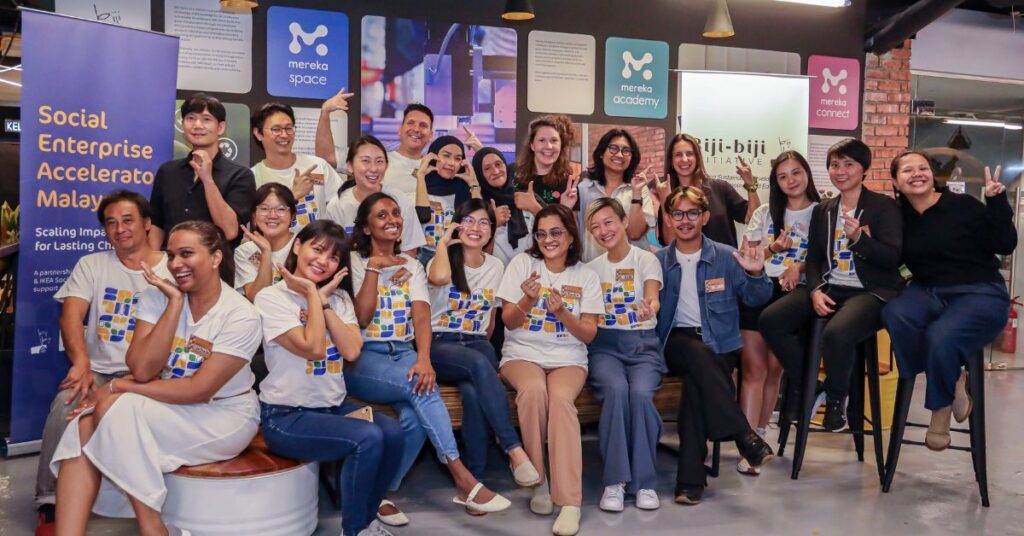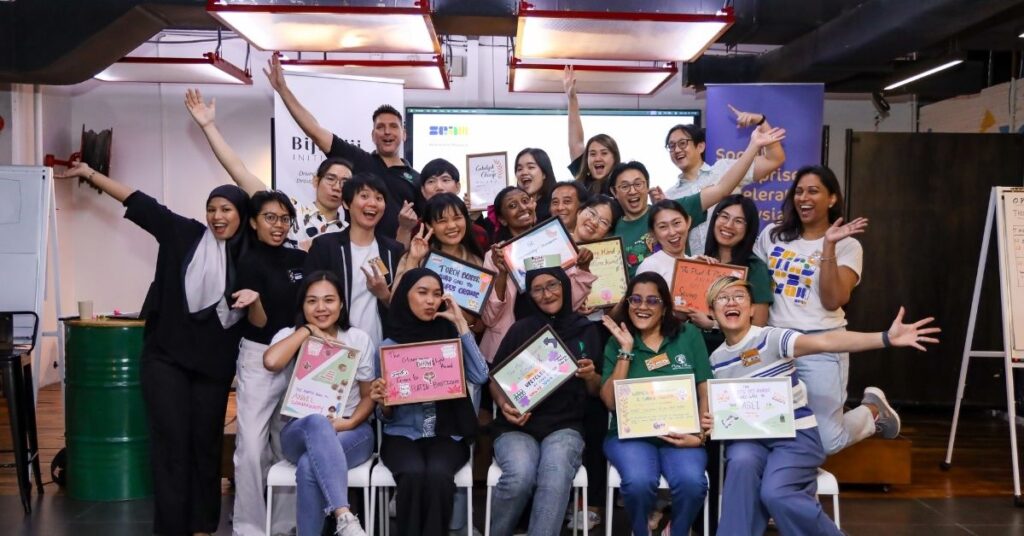
When we first envisioned the Social Enterprise Accelerator Malaysia (SEAM), the ambition was simple but meaningful: to support social enterprises that are solving real problems in Malaysia, and to do so in a way that recognises both the complexity of the work and the people behind it.
Social enterprises sit at the intersection of business and impact. They are building viable ventures while addressing environmental challenges, strengthening community livelihoods, and creating opportunities for those often left behind. Yet, the journey of growing a social enterprise can be intricate, requiring not only funding and business skills, but also relationships, visibility, and a supportive ecosystem.
SEAM was created to respond to that need.
SEAM 1 brought together ten social enterprises working across diverse areas including circular economy, sustainable agriculture, community livelihoods, education, and ethical production. Over the past year, the programme has focused on strengthening these enterprises through strategic guidance, mentorship, ecosystem connections, and opportunities to share their stories more widely.
As we mark the completion of SEAM 1, we find ourselves reflecting not only on what the enterprises have achieved, but also on what we have collectively learned about building a stronger social enterprise ecosystem in Malaysia.
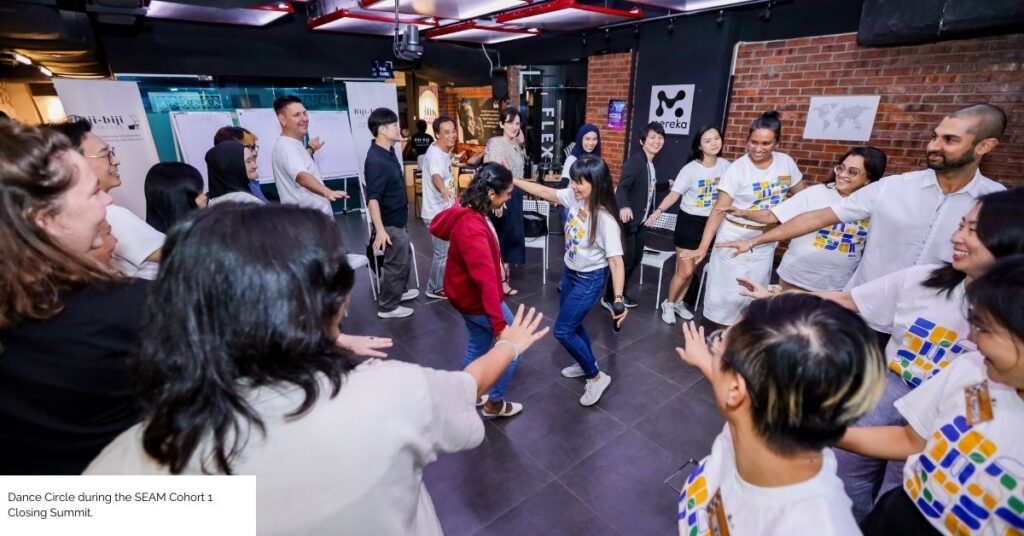
A Year of Growth and Experimentation
Throughout the programme, each enterprise pursued its own growth journey.
For some, the focus was operational strengthening, improving systems, production capacity, or team structures. Others focused on market expansion, building partnerships, or reaching new customers. Some prioritised product innovation or research to refine their offerings. While revenue growth was an outcome for several enterprises, the programme also recognised that scaling impact can take different forms depending on where an enterprise is in its journey.
Across the cohort, encouraging progress emerged.
Enterprises expanded community engagement, increased employment opportunities for marginalised groups, and strengthened supply chains with smallholder producers. Some secured new partnerships and procurement opportunities, while others experimented with new sales channels and product lines.
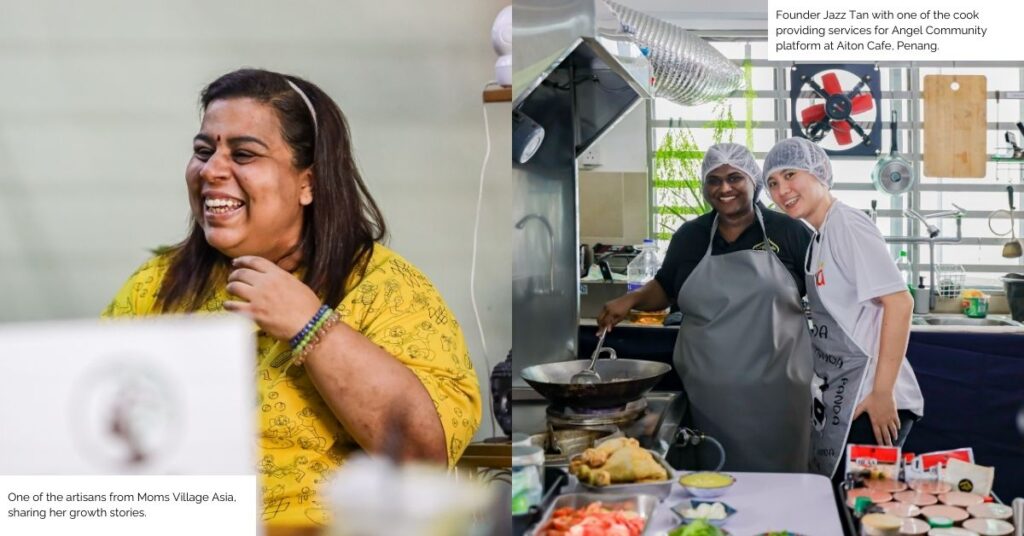
These milestones represent more than business growth; they reflect an ability to translate mission into tangible outcomes for the communities served. At Moms Village Asia, the impact was seen in a mother who, through consistent production work, achieved four-figure savings for the first time, which funds she used to afford specialized classes for her autistic child.
In a similar vein, Angel Community found that their most fulfilling outcome was watching the confidence of single mothers and elderly sellers surge. Seeing their own cooking beautifully presented at high-end corporate events allowed them to realize that their work was “good enough” for the professional world. This “priceless” growth in confidence was echoed at LemmeLearn, where autistic adults with limited language capabilities stepped up to proudly market their handmade products at public pop-ups, proving that inclusion is a right to live meaningfully within a community.
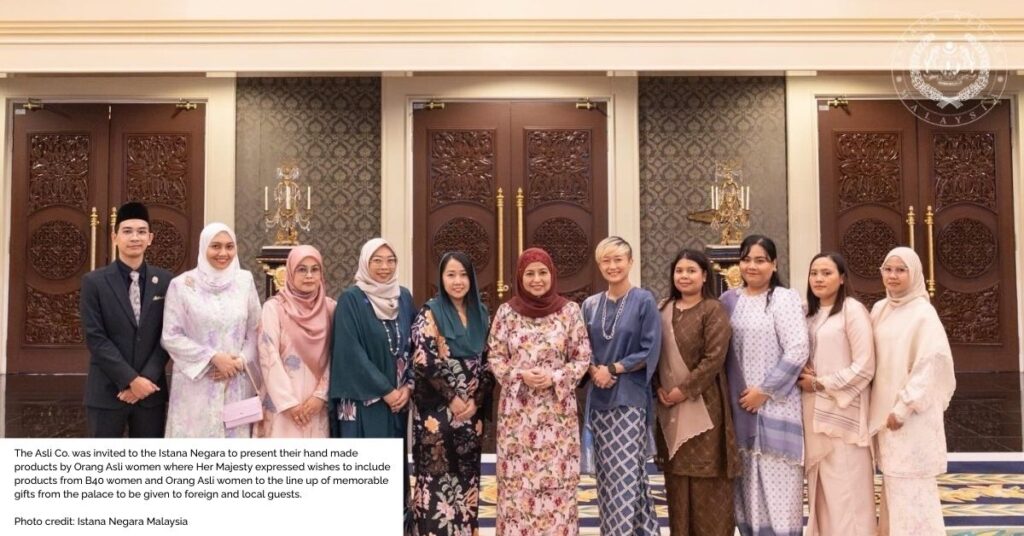
The year taught the enterprises that when they stay open and adaptive, unexpected “miracles” can happen. The Asli Co. navigated a difficult retail landscape by moving through three different kiosk locations. A practical decision to sell lower-priced biji jelai accessories at their booth led to an encounter with Her Majesty the Queen of Malaysia, who purchased their work and subsequently invited the artisans to the National Palace. This moment was a powerful reminder that craftsmanship carries a story that can resonate at the highest levels of the nation.
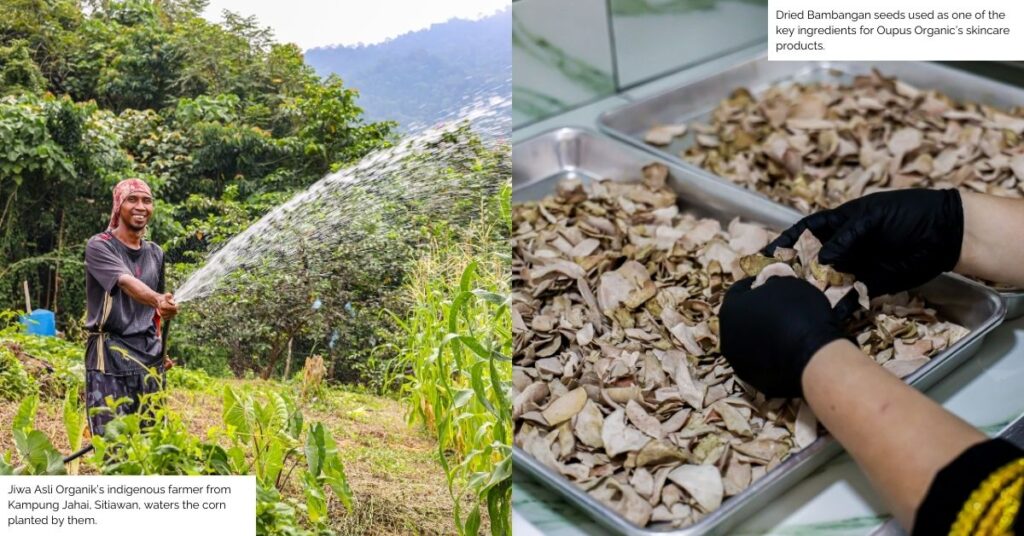
For founders, growth often meant learning to slow down to move forward sustainably. Jiwa Asli Organik reflected that farming success alone does not guarantee market readiness; they learned through the destruction of crops by elephants that community-based work requires trust, shared responsibility, and extreme patience.
Furthermore, the programme served as a vital bridge for those in East Malaysia. Oupus Organics shared that engaging with the cohort helped normalize the struggles they faced, making them feel less isolated from the West Malaysian ecosystem and giving them the confidence to prioritize resilience over speed.
Building Connections Beyond the Programme
Beyond individual enterprise growth, SEAM also focused on strengthening connections across the broader ecosystem.
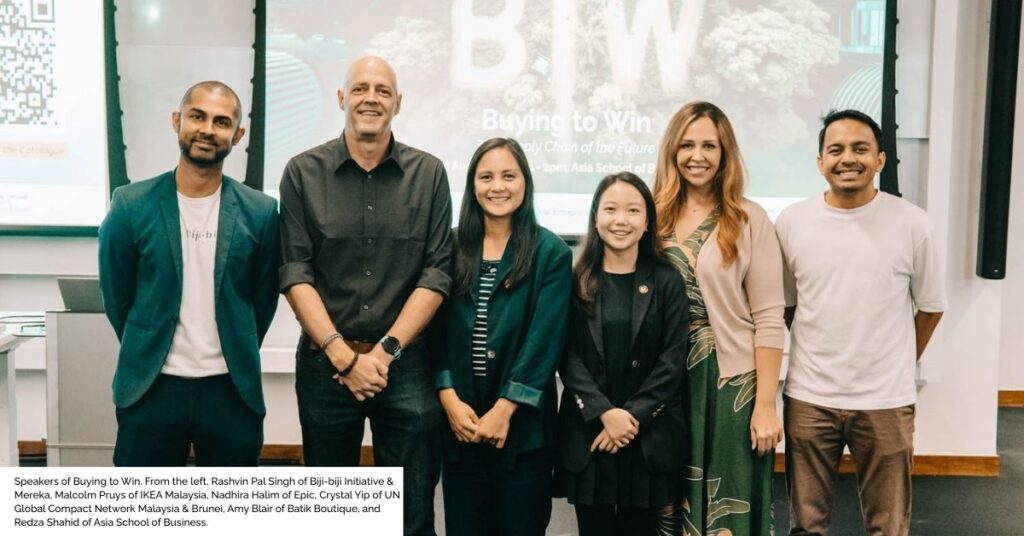
Through initiatives such as Buying to Win: The Supply Change of the Future, the programme explored the role that corporate procurement can play in supporting social enterprises. The event brought together social enterprises, corporate representatives, and ecosystem partners to discuss how social enterprises can be integrated into supply chains.
While early engagement revealed that social procurement remains a relatively new concept for many corporates, it also opened new pathways for dialogue and collaboration. Some enterprises have since initiated procurement conversations and partnerships that continue to evolve beyond the programme period.
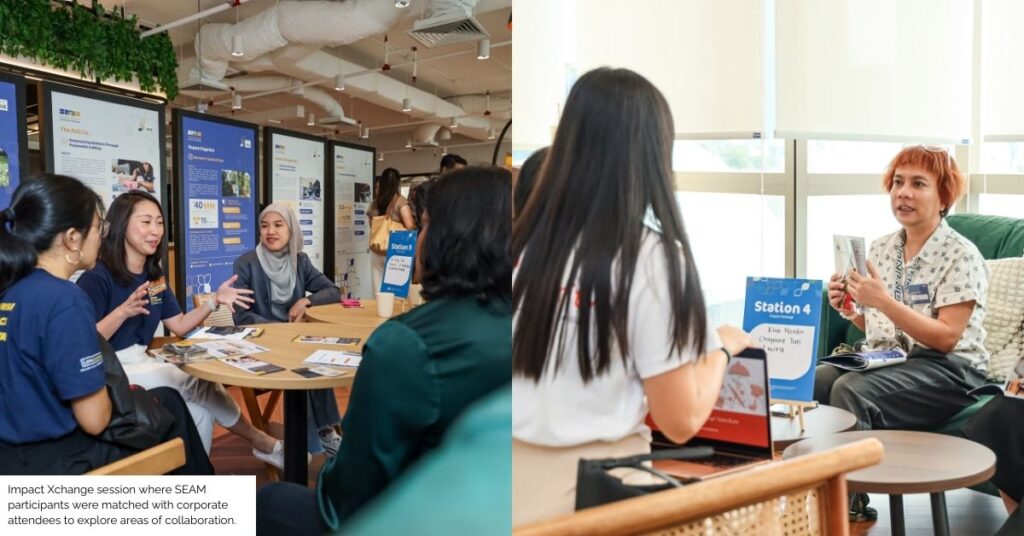
These learnings later inspired Impact Xchange, an event that was held during the SEAM Closing Summit. The event provided social enterprises with opportunities to present their work directly to corporate partners and media representatives, creating a space where impact-driven business models could be more widely understood and appreciated.
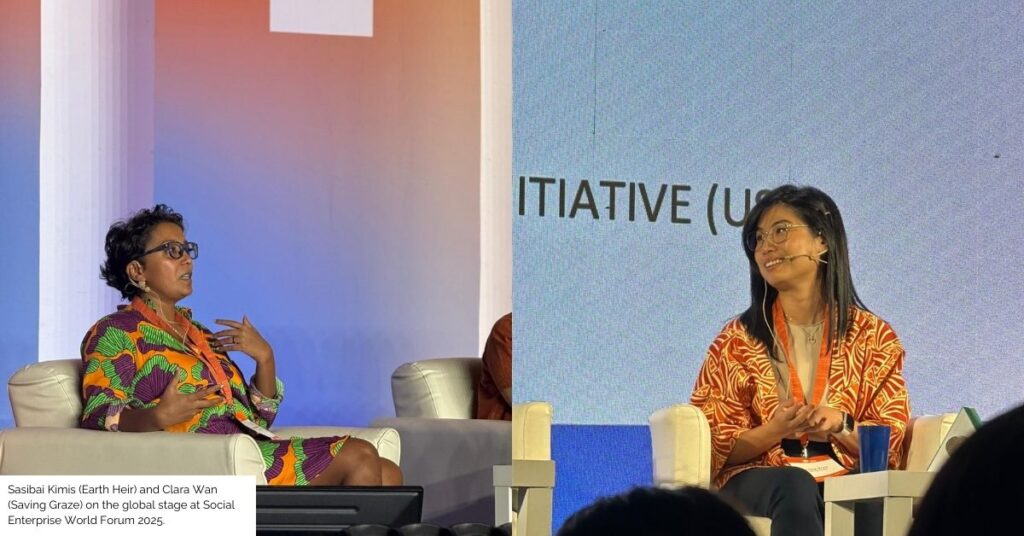
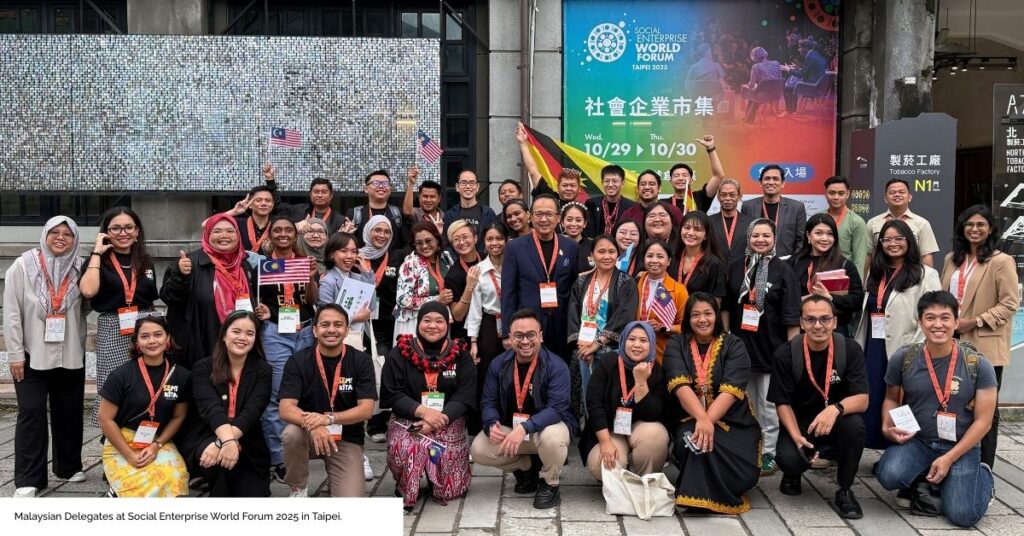
The programme also extended beyond Malaysia’s borders. During the year, several SEAM social enterprises participated in the Social Enterprise World Forum (SEWF) in Taiwan as part of the Malaysian delegation. Enterprises such as Earth Heir and Saving Graze shared their experiences on global stages, contributing Malaysian perspectives to conversations on sustainable business and community impact.
For many founders, this exposure offered both inspiration and affirmation, a reminder that their work is part of a larger global movement of social enterprises working towards similar goals.
Supporting the People Behind the Enterprises
One of the most valuable lessons from SEAM 1 is that building a social enterprise is not only about business growth. It is also about supporting the individuals leading these ventures.
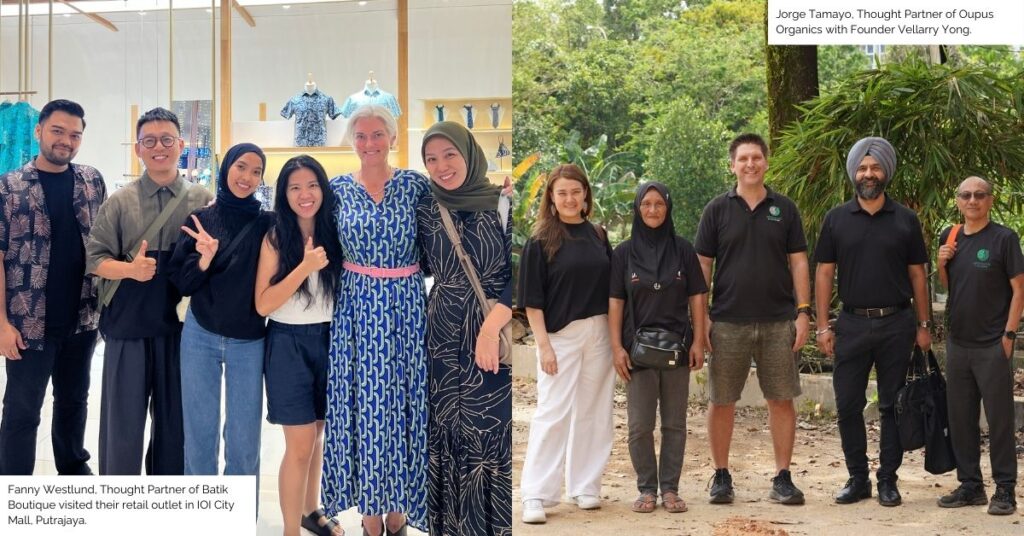
Through the SEAM Thought Partner model and facilitated sessions during programme summits, founders were encouraged to reflect on leadership, resilience, and decision-making. These conversations created space for honest reflection about challenges such as resource constraints, uncertainty in markets, and the emotional demands of leading impact-driven work.
Participants frequently shared that these exchanges, whether with thought partners, mentors, or fellow entrepreneurs, were among the most meaningful aspects of the programme. They provided not only strategic guidance, but also reassurance that the challenges they face are shared by others in the field.
Amplifying Stories of Impact
Another key area of focus during Cohort 1 was storytelling.
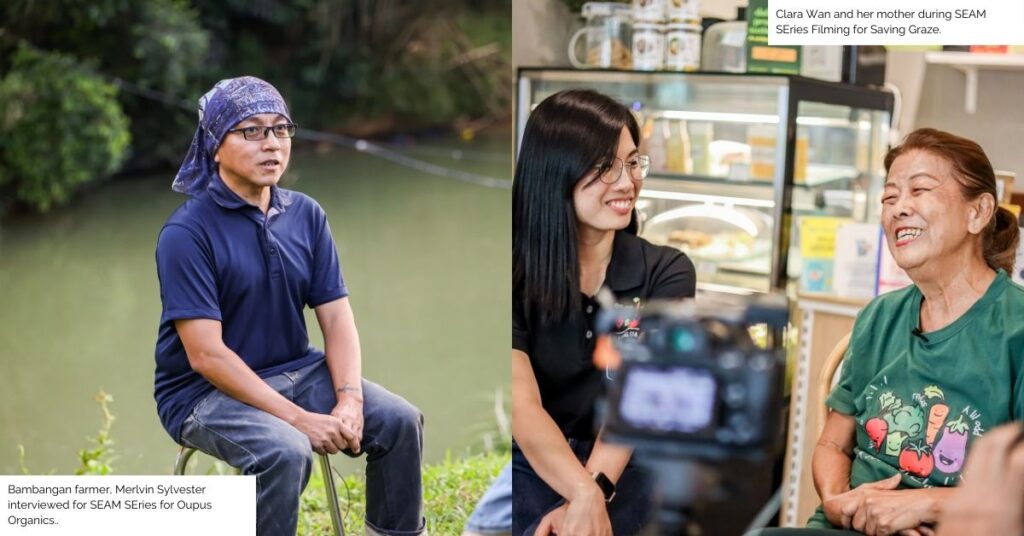
Through the SEAM SEries video initiative, each enterprise had the opportunity to share the story behind their work, highlighting not only their products and services, but also the motivations and communities that drive their missions. These documentary-style videos captured narratives that many founders felt had never been fully articulated before.
Enterprises were also featured in media platforms, podcasts, and ecosystem events, helping to raise awareness about the diverse ways social enterprises contribute to Malaysia’s economy and society.
These efforts reinforced an important insight: impact alone is not always visible unless it is communicated effectively. Strengthening the ability of social enterprises to tell their stories will remain a priority as SEAM evolves.
Looking Ahead
As SEAM Cohort 1 concludes, the journey is far from over.
The experiences of this cohort have laid the groundwork for future iterations of the programme, including the development of new initiatives such as the Biji-biji Pre Accelerator Programme to support earlier-stage social enterprises and deeper partnerships with ecosystem players.
Most importantly, the entrepreneurs from Cohort 1 will continue to grow their ventures, strengthen their communities, and contribute to Malaysia’s social enterprise landscape in their own ways. Their journeys remind us that building impactful businesses takes time, persistence, and collective support.
As we look ahead to the next chapter of SEAM, we invite social enterprises, partners, and ecosystem supporters to continue this journey with us in SEAM 2, as we will continue building on these learnings, supporting mission-driven organisations to strengthen their strategies, deepen their impact, and grow within a community of peers and partners. If you’re an organisation ready to take the next step in your impact journey, we welcome you to register your interest for SEAM 2 and be part of the next cohort shaping the future of social impact.