Across Malaysia, social enterprises are creating opportunities, strengthening communities, and redefining what it means to build businesses with purpose. Each organisation carries its own mission, but the movement we see today has never been shaped by any one actor alone. It has grown through collective effort, people and organisations choosing to learn, act, and build together.
On this International Social Enterprise Day, we celebrate not only the visionaries behind each initiative, but also the shared journey that connects us. It is a reminder to look beyond individual milestones and recognise the collective energy that has fuelled the growth of Malaysia’s social enterprise ecosystem. The courage to test new ideas, the willingness to collaborate, and the belief that impact becomes stronger when we carry it together. These are the values that continue to drive the movement forward.
We share this reflection to celebrate the community of changemakers who have been steadily building momentum across the country. It is a moment to appreciate how far we have come and to reaffirm our commitment to the collective work ahead.
A Movement Powered by Collaboration
Mutual support has become one of the strongest threads connecting Malaysia’s social enterprises. We see it in the day-to-day partnerships between organisations, in joint programmes, and in the ways funders and government bodies co-create more supportive environments for mission-driven enterprises to thrive.
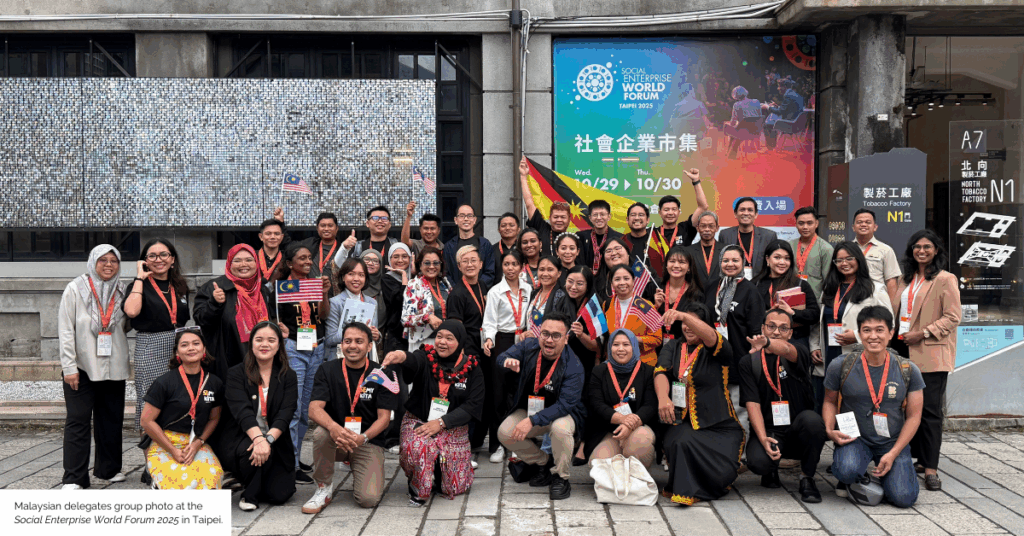
This collaborative momentum was also visible on the global stage. At the recent Social Enterprise World Forum (SEWF) 2025 in Taipei, Malaysian social enterprises stepped onto the global stage, leading conversations on social procurement, agricultural innovation, inclusive business models, and community-driven development. These dialogues showed that Malaysia is not simply tracking global conversations but we are also contributing to them.
Clara Wan from Saving Graze reflected on the experience:
“Speaking internationally for the first time felt meaningful. It was encouraging to meet people who already knew our work and believed in our journey. Seeing so many Malaysians here made me proud because each of us was contributing to a larger picture.”
On the same stage, ecosystem builders have been shaping progress to accelerate the ecosystem in Malaysia. Leaders like Redza Shahid (Asia School of Business & Chamber of Social Entrepreneur Development), who champions bottom-up innovation through incubation and accelerator models; Uliantie Sarjunie (Sabah Creative Economy and Innovation Centre), who strengthens Sabah’s SE landscape with grassroots-first approaches; Khair Yusuf (Institut Keusahawanan Negara), who advances capacity-building through public–private partnerships; and Nur Atiqah (Sarawak Digital Economy Corporation Berhad), who is driving state-level SE support in Sarawak, all reflect a powerful truth: Malaysia’s social enterprise movement grows strongest when led by the people closest to the work, the communities, and the impact.
These are the voices that define Malaysia’s social enterprise movement: hopeful, grounded, determined, and deeply collaborative. And as we look ahead, we hold the hope of seeing even more Malaysian enterprises bring local solutions to global platforms.
Learning From One Another: Insights From Local Ecosystem Initiatives
Beyond global spaces, local initiatives have also played an important role in strengthening the ecosystem.
At the Institut Keusahawanan Negara (INSKEN) Roundtable Discussion on Strengthening Malaysia’s Social Entrepreneurship Ecosystem, enablers including government agencies, investors, academia, and social enterprises reflected on how Malaysia’s social enterprise landscape has evolved, from community-led initiatives to cooperatives, hybrid models, and tech-driven ventures. One insight became clear:
there is no one-size-fits-all model for social entrepreneurship.
The discussions highlighted needs such as:
- clearer national alignment
- more adaptive and accessible accreditation pathways
- support structures that match each stage of growth
- better coordination among ecosystem players
Ecosystem builders acknowledged that many initiatives across the country are working towards the same goals, often in parallel. The roundtable served as a reminder that Malaysia can move further and faster when partners choose to share platforms, co-create solutions, and actively build bridges across sectors.Another initiative reflecting this shared spirit is Earth Heir’s 1% Social Pledge, which invites businesses to commit up to 1% of their purchasing, space, or resources to support social impact procurement. By sourcing from social enterprises and artisan communities, companies become active partners in strengthening local livelihoods. It is a practical example of how everyday choices, not just events or programmes, can uplift the entire ecosystem.
Celebrating Our Social Enterprises
This Social Enterprise Day, we honour:
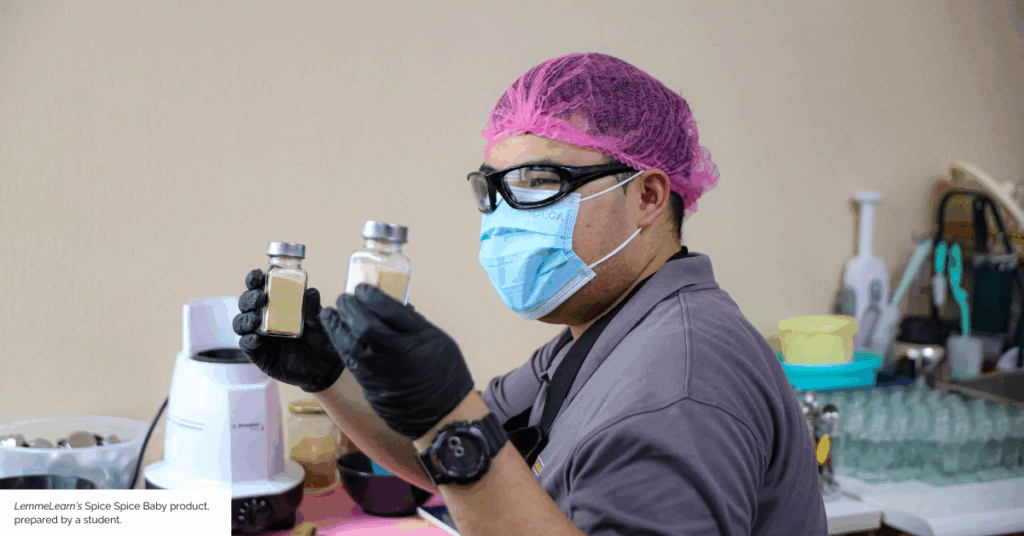
- the entrepreneurs strengthening food systems and sustainable agriculture
- the organisations uplifting rural and indigenous communities
- the innovators driving climate action and circular economy models
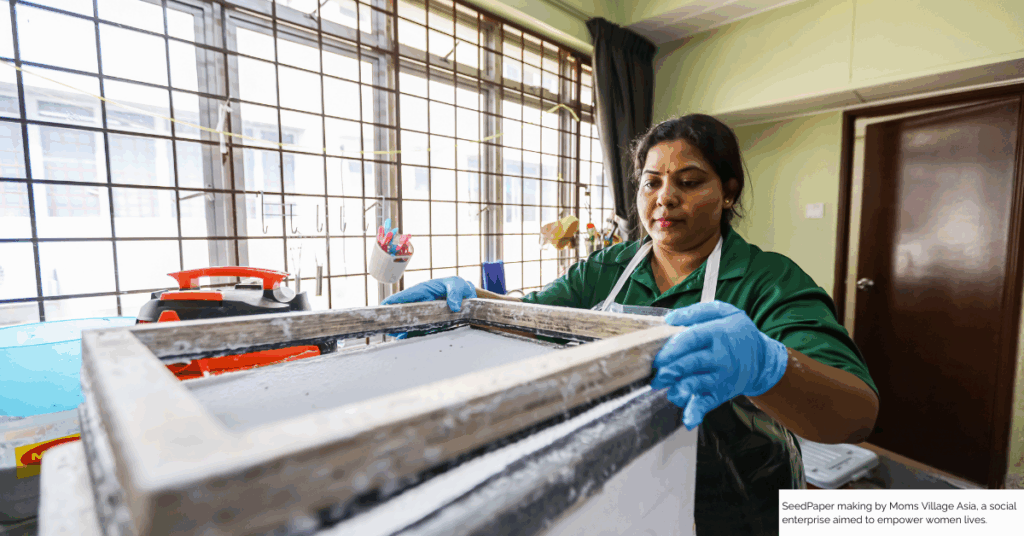
- the women-led enterprises building economic resilience
- the youth initiatives reshaping education, skills, and inclusion
- the intermediaries building bridges across sectors
We also honour the quieter parts of the work:
The resilience of navigating uncertain landscapes, the persistence in serving communities, the dedication of volunteers who keep the movement grounded in compassion and the strength of the beneficiaries who walk this journey alongside social enterprises.
But most of all, we celebrate the power of connection, the belief that no one builds impact alone, and no ecosystem grows without shared ownership.

Looking Ahead: Building an Ecosystem That Holds Us Together
Over the past year, one question continues to surface in meetings, roundtables, corridor conversations, and field visits:
“What does it take to build an ecosystem that can hold all of us, our ideas, our challenges, and our communities?”
Is it a stronger platform for mutual support?
More inclusive national policies?
Better market access?
Spaces for honest dialogue and peer learning?
Or simply more chances to show up for each other when it matters?
Perhaps it is all of the above.
What matters most is the shared understanding that Malaysia’s social enterprise ecosystem grows when we grow together.
As Juliana Adam, CEO of Biji-biji Initiative, shared:
“My hope is for an ecosystem where collaboration becomes second nature. Where social enterprises can lean on each other, learn from each other, and build solutions together without feeling alone in the journey.”
Her words reflect a broader aspiration across the movement: to build an ecosystem that is connected, supportive, and deeply human.
A Call to Strengthen Malaysia’s Social Enterprise Future
As we look forward, there are clear opportunities to strengthen the sector together:
1. Choose collaboration as a daily practice
Social enterprises grow stronger when connected to each other, to corporates, to communities, and to citizen-led movements. Shared platforms and co-created programmes help collective impact flourish.
2. Align with national priorities and co-create solutions
Social enterprises contribute directly to national goals such as inclusive growth and environmental sustainability. Supportive policies and frameworks (such as SEMy2030) can unlock greater potential across the sector.
3. Invest in continuous learning
Resilient ecosystems are learning ecosystems. Knowledge-sharing, mentorship, and peer support must remain ongoing. Every interaction is a chance to strengthen capacity and spark new ideas.
These are not demands, but possibilities and they are already taking shape across the country.
Here’s to the journey ahead, and to the community that makes it possible.
We honour every organisation and individual who has shaped Malaysia’s social enterprise movement. The sector has grown because people have chosen shared purpose over competition, purpose over profit, and community over isolation.